
With increasing health and environmental awareness, more and more people are paying attention to every detail of their daily lives, especially when choosing bedding. The blanket we use every night is a crucial element. Choosing the right blanket is not only about comfort but also directly impacts our health and the environment. Many traditional blankets undergo chemical treatments during production. While these substances improve the product’s appearance and durability, they can potentially cause skin irritation. Natural, chemical-free blankets, on the other hand, are becoming an increasingly popular and healthy choice.
This article will explore the health benefits of natural materials, especially non-toxic and chemical-free materials such as organic cotton and bamboo fiber, and analyze how they play a role in protecting the skin and the environment, helping consumers choose healthier and more environmentally friendly bedding.
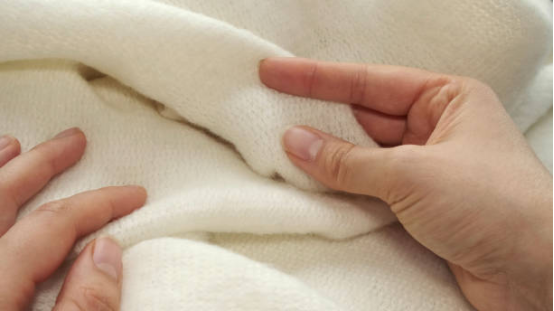
What is a chemical-free blanket?
“Chemical-free blankets” typically refers to bedding that does not undergo chemical bleaching, dyeing, or wrinkle-resistant treatments. These blankets are made from natural, non-toxic materials such as organic cotton, bamboo fiber, and wool, avoiding the use of harmful chemicals during the manufacturing process. Unlike common blankets, these natural material blankets do not release harmful chemicals, are less irritating to the skin, and are especially suitable for people with sensitive skin.
In addition to its skin benefits, Blanket, made from natural materials, also offers significant environmental protection. The chemical-free material not only avoids polluting soil and water sources but also reduces the carbon footprint during production, making it a more sustainable choice.
Organic cotton: A double guarantee of health and environmental protection
Organic cotton is one of the most common natural blanket materials. Unlike conventional cotton, organic cotton is grown without the use of chemical pesticides and fertilizers. This not only avoids the residue of harmful chemicals but also reduces environmental pollution.
Organic cotton blankets are softer and more comfortable, making them ideal for people with sensitive skin. While conventional cotton may contain chemicals, organic cotton avoids this, making it not only safer but also providing a more comfortable sleep experience. Furthermore, organic cotton fibers are highly breathable, helping to regulate body temperature and creating a more comfortable sleep environment.
From an environmental perspective, the cultivation process of organic cotton is more environmentally friendly than that of conventional cotton. It does not rely on harmful chemicals, maintains soil fertility and ecological balance, and is a more sustainable option.
Bamboo fiber: Natural antibacterial and breathable
Bamboo fiber is becoming an increasingly popular material choice due to its natural antibacterial properties and excellent breathability. Bamboo fiber blankets are soft to the touch and have natural antibacterial properties, effectively inhibiting the growth of bacteria and mold, thus reducing the risk of infection.
In addition, the breathability of bamboo fiber allows it to effectively wick away moisture and keep skin dry. Especially in humid or hot climates, bamboo fiber blankets can help regulate body temperature, allowing you to enjoy a more comfortable sleep.
From an environmental perspective, the production process of bamboo fiber is more environmentally friendly. Bamboo does not require chemical fertilizers or pesticides during its growth, so its cultivation has a smaller impact on the ecological environment, making it a green and sustainable choice.
Bamboo fiber’s rapid growth and efficient carbon absorption capacity make it an ideal material for addressing climate change. Its production process consumes relatively little energy, reducing greenhouse gas emissions. This makes bamboo fiber blankets an indispensable part of green home furnishings.
Wool: Naturally warm and breathable
Wool is a common material in traditional bedding, especially popular in cold seasons due to its excellent heat-retaining properties. Wool can regulate body temperature according to the ambient temperature, providing comfortable warmth in both cold winters and mild spring and autumn seasons.
Wool’s natural fiber structure makes it highly breathable, helping to regulate moisture and keep skin dry. At the same time, wool has natural antibacterial properties, effectively preventing the growth of bacteria and mold. This is especially important for people prone to allergies or with respiratory problems.
Furthermore, wool production is relatively environmentally friendly. It primarily comes from natural grazing, avoiding the use of chemical pesticides and fertilizers. Therefore, wool blankets are an ideal choice for consumers who pursue a healthy and sustainable lifestyle.

Blanket, which is free of chemicals?
Choosing a blanket made from natural materials offers numerous health benefits. First, they are gentler on the skin, reducing the likelihood of allergic reactions and other skin problems caused by chemicals. Many common blankets use chemical bleaching agents, dyes, or anti-wrinkle treatments during manufacturing, which can irritate the skin, especially for those with sensitive skin.
The long-term effects of chemicals on the skin have been confirmed by numerous studies. According to research from the American Academy of Dermatology, using bedding containing chemical additives may lead to skin irritation, allergic reactions, and even worsening of certain chronic skin conditions. A blanket made of natural materials effectively avoids this problem, allowing you to enjoy a peaceful night’s sleep free of chemicals.
Secondly, blankets made of natural materials also have a positive effect on improving sleep quality. Chemically treated bedding may release volatile organic compounds (VOCs), which can affect the respiratory system and lead to decreased sleep quality. Blankets made of natural materials do not contain these harmful substances, providing you with a healthier sleep environment.
VOCs are common pollutants found in many traditional blankets and bedding products. They can be inhaled and accumulate in the body over time, affecting health. Choosing a natural blanket helps you avoid these potential threats and enjoy a deeper level of rest.
Finally, Blanket, made from natural materials, is also environmentally friendly. Its production process does not use harmful chemicals, reducing pollution, and many natural materials, such as bamboo fiber and wool, are sustainable and help protect ecosystems.
More and more consumers are realizing the importance of environmental protection for the future, making the selection of sustainable and environmentally friendly bedding a trend. A blanket, made from natural materials, not only meets health needs but also helps reduce the burden on the environment. Its production process is low-carbon and environmentally friendly, aligning with global sustainable development goals.

Summarize
Choosing a natural, chemical-free blanket is a healthy and environmentally conscious choice. Whether it’s organic cotton, bamboo fiber, or wool, these natural materials offer unique advantages: they are gentle and breathable on the skin, providing a comfortable sleep experience, while their production process has a minimal environmental impact, aligning with modern people’s pursuit of a green lifestyle.
If you’re looking for a new blanket, choosing one made of natural, untreated materials not only ensures a healthy sleep environment but also contributes to protecting our planet. Natural, chemical-free bedding is a key aspect of modern people’s pursuit of a healthy and environmentally conscious lifestyle.
For those with skin problems, sensitive skin, or who are environmentally conscious, natural blankets are the best choice. In this era that increasingly values health and the environment, bedding made from natural materials not only improves quality of life but also helps us contribute to sustainable development in the future.