Admit it, you felt a pang of envy when that famous Blanket brand’s ads flooded your social media feed. Those “wearable” designs that look like giant hoodies, fluffy and suffocating, seem tailor-made for lazy weekends.
But take a moment to think. Do you really need an oversized pajama set that you can only wear at home and have to be careful not to mop the floor when you go to the bathroom? Or is a classic, casually styled traditional Throw a more rational long-term investment?
This is akin to choosing between “the ultimate lazy person’s experience” and “multifunctional home aesthetics.”
Today, we won’t discuss specifications, but rather the real-life experience. Before you press the buy button, we’ll delve into the hidden costs behind these two blanket styles, helping you save yourself from that “stupidity tax” that might end up gathering dust in the corner of your wardrobe.
Mobile fortresses vs. static comfort: The price of freedom
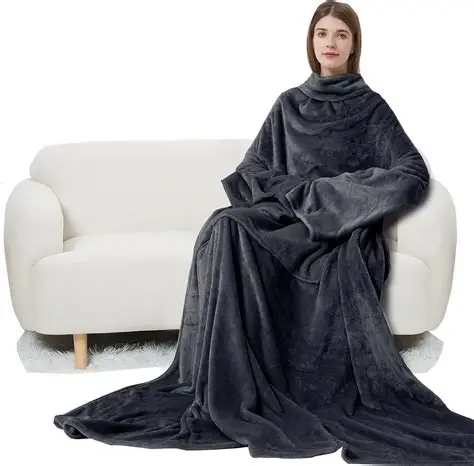
Imagine this scenario: Saturday morning at 10 a.m., you’re curled up on the sofa watching a TV show, and suddenly you want to go to the kitchen to get a cup of coffee.
If you’re using the former in this comparison, this is truly its highlight. You don’t need to endure that painful moment of “throwing off the covers and being hit by a blast of cold air.”
You move around with your warm fortress, from the living room to the kitchen, with warmth following you everywhere. This continuous warmth is the biggest selling point of wearable products.
However, this “freedom” comes at a price.
You’ll find that most wearable blankets, in pursuit of ultimate warmth, often use double-layered, thick synthetic fibers (usually an outer layer of flannel and an inner layer of lamb’s wool). In Blanket‘s design language, this structure means extremely low breathability.
After walking around indoors for ten minutes wearing it, the initial “warmth” quickly turns into “stuffiness.” This heat is unregulating—you can’t use a traditional blanket to simply stick out a foot or pull the blanket down when you feel hot. Your only option is to take it off completely and instantly return to the cold.
It’s an “all or nothing” experience, with no middle ground.
An aesthetic disaster or home fashion?
Let’s turn our attention to your living room.
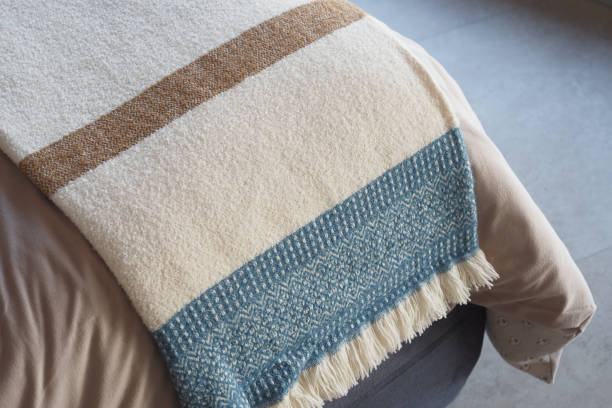
A high-quality traditional blanket, whether made of chunky wool or finely textured waffle cotton, is a sophisticated interior decoration when casually draped over a sofa armrest or bed foot, even when not in use.
It adds layers, texture, and color to a space. It’s an integral part of your home décor, and even in summer, it can serve as a decorative piece in an air-conditioned room.
In contrast, consider wearable blankets. When you take them off, they’re just a huge, shapeless pile of fabric. It’s difficult to fold them neatly, let alone use them to decorate a sofa.
In this discussion of the pros and cons of hoodie blankets, aesthetic value is often the overlooked focus.
If it’s not worn, it has almost no visual value. If you’re someone who values visual order in your living environment, you’ll find that this behemoth has nowhere to go when not in use.
It either takes up a huge space in your wardrobe or slumps on a chair like a deflated bouncy castle.
Maintenance Nightmare: Hidden Worries About Cleaning and Hygiene
Let’s delve deeper into the materials and maintenance.
Traditional blankets were originally designed for frequent washing or easy maintenance. Many high-quality blankets are designed with the self-cleaning properties of fibers (such as wool) or washability (such as cotton and linen) in mind.
Wearable blankets are typically made of heavy polyester. Imagine wearing one while eating takeout, drinking coffee, or even curling up on the sofa petting your cat.
The wide cuffs are magnets for sauce, while the fuzzy surface is a permanent haven for cat hair and crumbs.
The nightmare only begins when you finally decide to wash it. A soaked hoodie is incredibly heavy, putting not only your washing machine motor to the test but also your drying space.
In the damp winter, a thick hoodie blanket can take two or three days to dry completely. During this time, you not only lose warmth but also have to endure a huge, dripping monster hanging in your home.
In contrast, traditional blankets are generally much less frequently and require less washing. You don’t need to “wear” it all day, and since it doesn’t come into direct contact with your sweat (unless you sleep naked), its washing cycle can be extended.
Social attributes: Exclusive or shared?

This is a dimension that is rarely mentioned, but has an extremely significant impact on happiness.
Wearable blankets are inherently “anti-social.” They are cocoons designed for you alone.
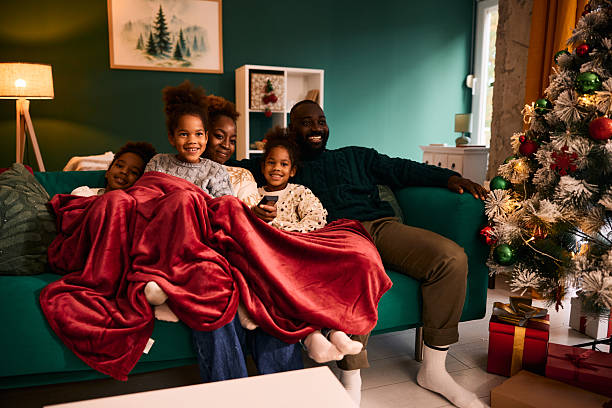
When you and your partner or children are sitting on the sofa watching a movie, you are wearing your armor, and they are wearing theirs, separated by a thick layer of fleece, completely blocking the intimacy of physical contact.
A blanket, large enough to be truly meaningful, is designed for sharing. Two people sharing a blanket, the exchange of body heat and the touch of skin, is one of the most heartwarming moments in winter.
A traditional blanket encourages intimacy; it’s an invitation. A wearable blanket, on the other hand, is a signal that says, “Please do not disturb, I am hibernating.”
Final verdict: Which one should you buy?
Back to the core question: Are wearable blankets worth it?
It depends on your definition of “lifestyle.”
If you typically live alone, experience insufficient indoor heating in winter, and spend long hours working or gaming at a computer, then a wearable blanket is indeed a highly functional tool for staying warm.
It’s not for aesthetics, but for survival. It can save you a significant amount on heating bills, allowing you to continue typing comfortably even in a room with a temperature of only 10 degrees Celsius.
But if you’re looking for a more relaxed, higher-quality home experience, then a traditional throw is definitely the wiser choice, especially if:
- You want your blanket to both comfort your afternoon nap and be the perfect accent in your living room;
- You enjoy snuggling up on the sofa with your family.
Don’t let those videos of people dancing in oversized hoodies on social media go to your head. True home essentials are often those items that blend into every corner of your life, rather than isolating you from your environment. A traditional blanket may not have sleeves, but it offers the flexibility to adapt to all aspects of your life. This flexibility is precisely the classic value that no “viral trend” can replace.
FAQ (People Also Ask)
1. Can I use a wearable blanket while sleeping?
While theoretically possible, it’s generally not a good idea. Wearable blankets are typically made of poorly breathable synthetic fibers and come with hoods and sleeves.
During sleep, these extra structures can restrict your movement and easily lead to overheating, affecting the quality of deep sleep. Traditional layered bedding remains the best choice for sleep.
2. Which material is warmer for a traditional blanket than a wearable one?
A blanket made of wool or alpaca is far superior to a synthetic fiber wearable blanket.
Natural animal fibers have a unique “temperature regulation” function, locking in body heat while letting moisture escape, providing a “dry warmth” that polyester fibers struggle to achieve.
3. How to solve the problem of difficult cleaning of wearable blankets?
If you must purchase a wearable blanket, consider these recommendations:
- Choose a single-layer flannel style rather than a double-layer fleece style, or look for products with “quick-drying” fabric technology.
- Be sure to confirm the size when purchasing to ensure your washing machine’s drum capacity (generally 8kg or more is recommended) can hold the blanket as it expands several times its original size after absorbing water; otherwise, you’ll have to take it to the dry cleaners.
Related Posts
The weight of a blanket does not equal its warmth
-
Posted by
 Ted Eve