
In a warm bedroom, a soft blanket covers the bed, yet small lint balls and fine fibers occasionally appear. These “minor annoyances” not only affect the feel but also detract from the overall visual neatness. Why does your blanket shed and pill? And how can you properly care for and protect it? This article will provide a comprehensive analysis, from material principles and application strategies to long-term maintenance.
Table of Contents
The material determines the root cause of pilling and shedding.
The shedding and pilling of blankets are mainly related to the fiber material, weaving method, and frequency of use.
- Natural fibers: Wool, cashmere, cotton, and other natural fibers are soft and comfortable, but due to their short fiber ends and high surface friction, they are prone to pilling. High-quality cashmere, though light and soft, forms tiny pills under frequent friction.
- Synthetic fibers: Polyester, acrylic, and other chemical fibers have strong abrasion resistance, but their surface smoothness varies. Low-quality synthetic fibers are prone to shedding fine fibers, resulting in lint.
- Blended materials: Many blanket fabrics use a blend of natural and synthetic fibers, which combines softness and durability. However, uneven fiber friction can easily lead to the formation of spherical fiber clusters in certain areas.
Industry research shows that short fibers and high-friction areas are high-risk areas for lint buildup, while long fibers and dense weaving processes can significantly reduce lint shedding.
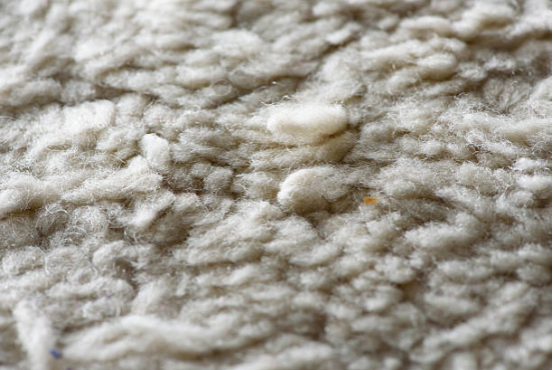
Pilling formation mechanism and treatment strategy
Pilling in blanks is not accidental but rather the result of fibers gradually curling and tangling during friction, stretching, and washing.
- Friction causes pilling: Areas that experience frequent friction, such as the shoulders and legs, are prone to pilling. Reducing friction or using a suitable friction-absorbing layer (such as sheets or covers) can delay pilling.
- Washing method: High-temperature washing or vigorous dehydration can easily damage the fiber surface, causing loose fibers to clump together. It is recommended to use low temperature and gentle washing and use a laundry bag for protection.
- Pilling removal tools and techniques: Manual pill removers, electric pill removers, or fine-tooth combs can all remove surface pills, but be careful to control the pressure to avoid damaging the fibers.
User feedback indicates that regular, light deballing helps maintain the feel and appearance of the blanket better than a concentrated, one-time trim.
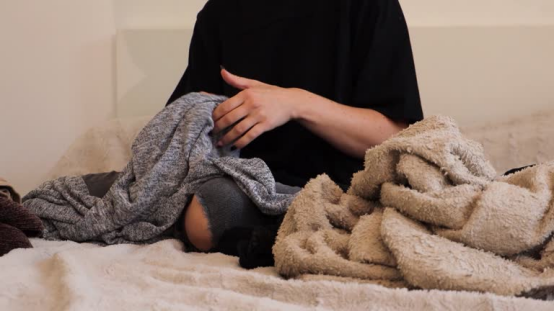
Daily care and protection methods
In daily use, proper care can significantly delay the formation of hairballs and reduce shedding.
- Proper drying and storage: Avoid direct sunlight, as high-temperature drying will accelerate fiber embrittlement; lay flat to dry or hang to ventilate, which can maintain fiber stability.
- Reduce friction: Minimize contact between the blanket and rough clothing, home furnishings, or sharp edges. Cover indoor sofas or chair backs with a soft protective layer to effectively reduce localized friction.
- Periodic flipping: Regular flipping helps balance frictional pressure, ensuring even stress on the fibers and reducing localized pilling.
- :Specialized care products : Fabric softener and antistatic spray can improve the smoothness of the fiber surface and reduce the probability of fiber tangling.
In practice, combining multiple protection strategies is often more effective than using a single method.
Material Innovation
With the development of textile technology, Blanket’s material innovation is also evolving towards reducing shedding and pilling:
- Fiber pretreatment: Strengthening the fiber surface through chemical or physical methods to make the fiber ends more compact and reduce the formation of spherical fibers due to friction.
- Blended optimization: High proportion of long fiber blend, taking into account both softness and comfort and abrasion resistance, achieving a balance between feel and appearance.
- Balancing environmental friendliness and durability: The new sustainable fiber is not only soft but also has low pilling properties, meeting the dual needs of modern consumers for long-term use and environmental protection.
Industry trends indicate that future high-end blanket products will place greater emphasis on a combination of tactile feel, durability, and maintainability.
Make the blanket last longer and softer
Pilling and shedding of blankets are not insurmountable problems. Understanding the material’s characteristics, mastering proper care methods, and taking scientific protective measures are key to maintaining their feel and appearance. Whether it’s a natural fiber or a blend, proper pilling control, gentle washing, and reducing friction can extend the life of your blanket.
Learn more about blanket material care and protection techniques to enhance your home’s softness experience.