
In today’s home décor landscape, design for soft furnishings is no longer just about utility. As living standards rise, people’s aesthetic expectations for home essentials have grown more refined. In particular, blanket design must deliver not only warmth and comfort but also visual delight. Geometric aesthetics and symmetrical composition—core concepts in modern design—are playing an increasingly significant role in shaping how these cozy layers complement interior spaces.
Geometric Aesthetics: Elegance in Simplicity
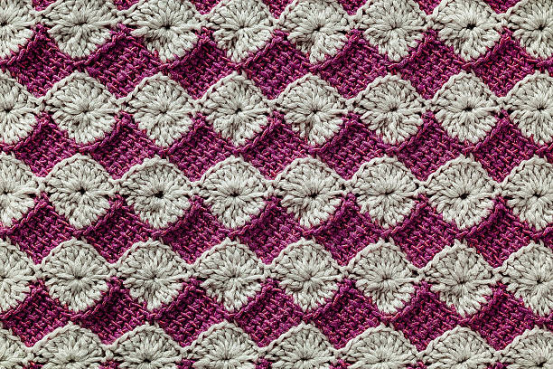
Geometric aesthetics have gained immense popularity in recent years, especially in modern home furnishings, with Blanket perfectly embodying this trend. Geometric shapes not only possess a clean and simple aesthetic but also deliver a powerful visual impact. Just like geometric lines in architectural design, they can create an orderly and balanced atmosphere, fostering a harmonious aesthetic within the home.
For example, common geometric elements such as squares, rectangles, triangles, circles, and their combinations can add depth to a blanket design. By flexibly utilizing these geometric elements, designers can avoid monotonous patterns, allowing the blanket to present a more complex aesthetic. For families pursuing a minimalist style, using large areas of monochromatic geometric blocks not only enhances the modern feel of the blanket but also complements the surrounding home environment, creating a visually refreshing and comfortable atmosphere.
Symmetrical Composition: Balance and Harmony
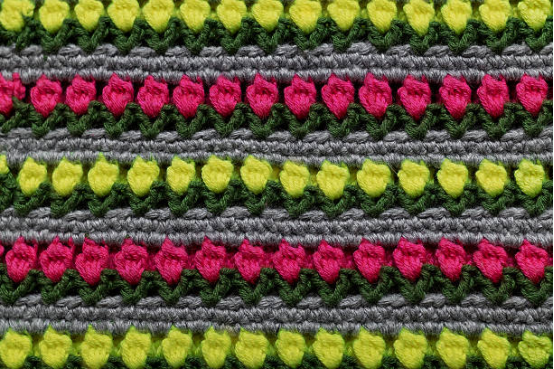
Symmetry remains one of the most enduring visual strategies in design, as the human eye naturally seeks balance and order. In textile creation, symmetrical composition not only conveys harmony but subtly enhances comfort by offering visual stability.
A woven piece with evenly distributed patterns—such as mirrored stripes or square grids—evokes a refined, structured aesthetic. The overall symmetry invites a sense of calm, helping the item integrate effortlessly with furniture, lighting, and décor elements. Through symmetry, a home gains not only balance but a polished, well-curated look.
Combining geometry and symmetry: A perfect fusion of innovation and tradition
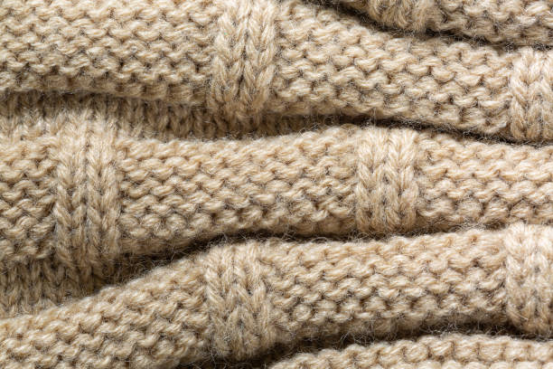
When geometric aesthetics are combined with symmetrical composition, blanket designs not only embody a classic sense of balance but also showcase innovation and individuality through varied geometric shapes. Designers can arrange and combine geometric elements of different shapes while using symmetrical layouts to enhance the visual impact of the pattern. This design approach maintains overall harmony and beauty while remaining creative and playful.
For example, using repeating geometric patterns with symmetrical design allows Blanket to exhibit a unique sense of rhythm and dynamism, rather than a single static pattern. For consumers who appreciate modern art styles, this design will undoubtedly be eye-catching. At the same time, the combination of geometry and symmetry can break through traditional design frameworks, creating more diverse styles and choices to meet the personalized needs of different consumers.
Design considerations when choosing a Blanket
1. Harmony between materials and geometric design
While geometric aesthetics and symmetrical composition are indispensable elements in blanket design, the success of the design is also closely related to the choice of materials. Different materials will produce different effects on the presentation of geometric patterns. For example, cotton blankets usually show a softer geometric pattern, while wool or cashmere blankets can present a more textured geometric effect. Choosing the right material can not only enhance the comfort of the blanket but also make the geometric pattern more vivid and layered.
2. The combination of color and geometric design
Color is a crucial component of geometric design. In Blanket’s designs, the skillful use of color directly impacts the overall visual effect. Common geometric designs may employ a single dominant color, creating visual contrast through different shapes and lines. To avoid monotony, designers cleverly use contrasting colors to break the overall dullness and enhance visual impact.
Furthermore, color choices also influence the suitable settings for a blanket. For example, soft tones are suitable for rest areas such as bedrooms, while vibrant colors and bold geometric patterns may be more appropriate for living rooms or other public spaces. Through the skillful combination of color and geometric design, a blanket can not only enhance the aesthetics of a home space but also create different atmospheres in different environments.
3. Matching of purpose and design
Every coverlet serves a different context. A travel piece emphasizes durability and adaptability; one for home relaxation prioritizes comfort and aesthetic cohesion. Understanding how geometric and symmetrical elements complement your lifestyle ensures you choose both functionally and visually appropriate options.
The Future Trends of Geometric Aesthetics and Symmetrical Composition
As home design continues to evolve, the application of geometric aesthetics and symmetrical composition in blanket design will become more diverse. Whether as decorative elements or as design techniques to enhance comfort and functionality, they will become one of the mainstream trends in future home design. When choosing a blanket, understanding the connotations of these design elements and making choices based on personal aesthetics and actual needs will help consumers select the most suitable blanket for themselves.