
When a new baby arrives, parents’ shopping lists often expand with items like a crib, sleeping bag, and walker. However, a seemingly insignificant blanket can be crucial for a baby’s restful sleep. Many parents assume softness is enough, but the real challenge lies in ensuring comfort, safety, and adaptability to different seasons and environments.
So, how do you determine whether a blanket is suitable for babies? Let’s analyze it from several aspects: safety standards, material selection, functional details, and daily usage scenarios.
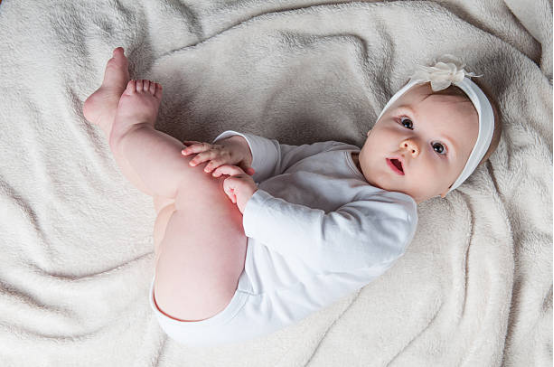
Safety: Blanket’s top priority
For babies, safety is far more important than comfort. The American Academy of Pediatrics (AAP) has clearly stated that infants’ sleep environments must be free of loose fabrics to reduce the risk of suffocation and sudden infant death syndrome (SIDS). This means that when choosing a blanket, parents need to pay attention to the following:
- Proper size: A blanket that is too large can easily cover the baby’s face and increase the risk of breathing problems. The small size and snug fit are more suitable for babies.
- Strong breathability: Good breathability helps regulate body temperature and prevents your baby from overheating or catching a cold after sweating.
- No loose decorations: Blankets with tassels, buttons, and sequins may look good, but they are potential safety hazards for babies.
International safety standards, such as OEKO-TEX® Standard 100 and CPSC (U.S. Consumer Product Safety Commission) certification, impose strict requirements on textiles used by infants and young children. Parents should prioritize certified products when choosing.
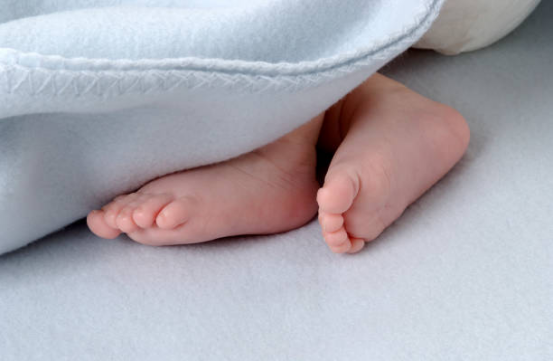
Material Selection: Blanket’s Core Differentiation
Blankets made of different materials HYPERLINK “https://saleblankets.com/shop/” will bring completely different experiences. Babies have delicate skin and are prone to allergies, so the material not only affects comfort but also health.
- Pure cotton blanket: The most common choice, soft, breathable, and skin-friendly. Suitable for spring and autumn or air-conditioned rooms.
- Bamboo Fiber Blanket: It has become increasingly popular in recent years. It is naturally antibacterial and breathable, especially suitable for babies in summer.
- Wool or cashmere blanket: Excellent for warmth, suitable for winter. However, be careful to avoid static electricity or burrs that may irritate the skin.
- Organic cotton blanket: It is a plus option for families who pursue environmental protection and naturalness and is usually safer.
In real parent experience, many people will choose “combination and “matching”—for example, using a thin bamboo fiber blanket in summer and changing to a thick wool model in winter to adapt to different environments.
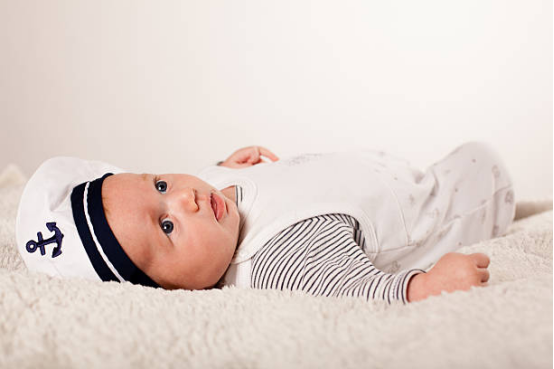
Function and design: more than just a blanket
Modern baby blankets are no longer just blankets; they often carry more functions:
- Multi-purpose design: It can be used as a blanket, a stroller sunshade, or a wrapping cloth for going out.
- Easy to clean: Baby blankets will inevitably be stained with milk or saliva, and the machine-washable material greatly reduces the burden of care.
- Temperature regulation function: Some brands have launched blankets with temperature monitoring or smart fibers, which can help parents more intuitively judge whether the baby is overheating.
- Lightweight: The lightweight design helps babies turn over freely and reduces the feeling of oppression.
These features are not gimmicks but extensions based on real user needs. Especially the “easy to clean” feature, which is almost a basic need for all new parents.
Usage habits: How Blanket fits into your daily routine
Even if you choose a high-quality blanket, improper use can still cause problems. Parents need to pay attention to the following points:
- Avoid over-coverage: The blanket should only cover the baby below the chest and should be secured to the foot of the bed to prevent it from sliding onto the face.
- Adjust with the seasons: In summer, you can choose a lighter blanket or directly replace it with a baby sleeping bag.
- Regular cleaning: Clean the blanket at least once a week to keep it clean and prevent bacteria from growing.
- Observe the baby’s reaction: if the baby keeps kicking the blanket, it may mean it is overheating, and parents need to adjust the material or thickness.
In other words, Blanket is not a “set it once and for all” product, but a life partner that needs to be constantly adjusted according to the environment and the baby’s growth.
Market trends and user feedback
In recent years, the baby blanket market has shown several obvious trends:
- Environmental protection: Organic cotton and recycled fibers are increasingly favored by young parents.
- Technology: Smart blankets with temperature control functions are becoming popular on a small scale.
- Personalization: Blankets with customized names and unique patterns are gradually becoming popular in the gift market.
According to Statista, the baby and toddler household products market continues to grow steadily, with blankets maintaining a stable share. Parents’ real-life experiences shared on social media have also become an important reference for new users in their decision-making.
A Blanket, related to baby’s sleep and health
Choosing a baby blanket may seem like a simple matter, but it requires careful consideration of safety, material, functionality, and user experience. A truly suitable blanket not only ensures a peaceful sleep for your baby but also relieves parents’ worries.
If you are still struggling to make a choice, you might as well start with the three points of safety certification + suitable material + easy cleaning and then make adjustments based on the season and habits of your baby.
So, which blanket would you choose as your first blanket for your baby? Feel free to share your experience in the comments section.