
A Blanket cultural story
In everyday life, blankets may seem like simple household warmers or bedding accessories, but a deeper look reveals that across cultures, they carry far more significance than simply regulating temperature. Imagine a thick wool blanket in a chilly Nordic cabin, instantly providing a sense of security and belonging. Or, in Mexico’s Plaza del Sol, a colorful blanket serves not only as a source of warmth but also as a symbol of festive occasions and identity.
Blankets offer both physical warmth and psychological and cultural comfort. This article explores how blankets reflect social values, lifestyles, and traditional customs from diverse cultural perspectives. By incorporating modern consumer trends, this article aims to help you understand their cultural significance and choose the right blanket for your needs.

Native Americans and the Symbolism of Blankets
In North American Native American culture, a blanket is not just a daily necessity but a symbol of identity, power, and ritual.
- Ritual Use: Elaborately woven blankets are often given as gifts or offerings at weddings, birth ceremonies, or important festivals. They symbolize blessing, protection, and family heritage.
- Status symbol: Certain patterns and colors of certain tribes can only be used by chiefs or people of certain status, which makes the blanket a symbol of social status.
- Art and Craftsmanship: Each handmade blanket tells the story of the weaver, incorporating regional culture, tribal symbols, and historical heritage.
Today, modern designers and brands also draw inspiration from Aboriginal blankets, incorporating cultural symbols into home blanket products, making them both ornamental and retaining the traditional spirit.
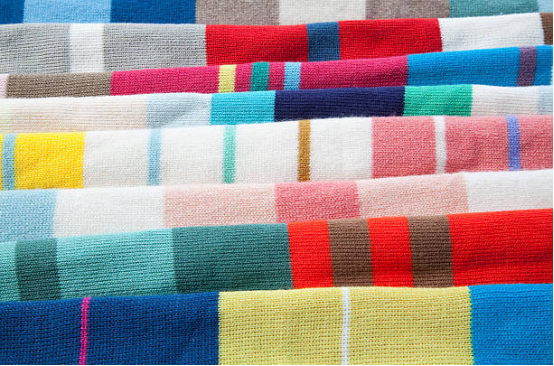
Blanket, a colorful fabric from Latin America
Walk into markets in Mexico, Peru, and other places, and you’ll find Blanket’s colors and textures are a visual feast.
- Festivals and life: The colorful striped woven blanket (Serape) is not only used for daily warmth but is also used in festivals, celebrations, and dance performances, symbolizing joy and enthusiasm.
- Regional characteristics: The weaving techniques, color combinations, and patterns of different regions reflect the local history, ethnic customs, and natural environment.
- Multifunctional use: In the outdoor market, the blanket can be used as a placemat, shawl, or decoration, reflecting the concept of “combining practicality and beauty” in the Latin American lifestyle.
From a consumer perspective, this type of colorful blanket is also popular in the international market, becoming a combination of home decoration and cultural experience.

Blanket in Asian Culture: Simplicity and Psychological Comfort
In East Asian cultures such as Japan, South Korea, and China, a blanket is more reflected in psychological comfort and a sense of ritual in life.
- Japanese Minimalism: Japanese families tend to choose light and simple blankets, which use simple designs to emphasize the freshness of the space while meeting the need for warmth.
- Warmth and family relationships: In cold seasons, families sitting together under a kotatsu or thick blanket becomes an important scene for daily intimate interactions.
- Etiquette and Gift Giving: A blanket is often given as a gift during festivals or weddings, symbolizing care and blessings.
Blankets in Asian culture emphasize “warmth beyond temperature,” focusing more on psychological comfort and family ties rather than simple decoration or status symbols.
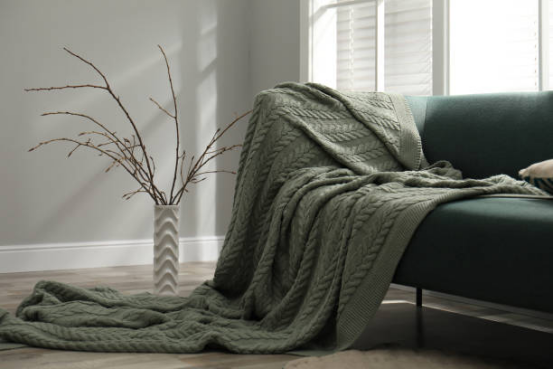
Blanket in Europe: Design, Tradition and Sustainability
In Europe, Blanket’s functionality and design are equally important, especially in regions such as Northern Europe and the UK.
- Nordic style: mainly made of wool or blended materials, with low-key colors and simple textures, taking into account both warmth and spatial aesthetics.
- Traditional craftsmanship: The Scottish Tartan Blanket not only provides warmth but also carries the historical symbolism of the family and region.
- Sustainable consumption: European consumers are paying more and more attention to environmentally friendly blankets, and natural materials such as wool, recycled cotton, and bamboo fiber are popular.
The European market also demonstrates how Blanket integrates tradition and innovation in modern life, meeting the needs of daily use while reflecting environmental protection and design taste.
Blanket culture’s implications for modern consumers
From a cultural perspective, blankets are far more than just a provider of physical warmth; they reflect regional history, social structure, lifestyle, and psychological needs. For modern consumers, these cultural meanings provide a reference for purchasing:
- Functional requirements: Cold regions value warmth and thickness, while warm regions prefer lightness and breathability.
- Psychological comfort: The choice of color, material, and pattern should satisfy personal psychological comfort and spatial aesthetics.
- Cultural identity: Purchasing blankets with cultural elements or traditional craftsmanship can enhance the emotional value of your home.
- Sustainability: Environmentally friendly materials (organic cotton, wool, bamboo fiber, etc.) are in line with life concepts and also reflect cultural responsibility.
For example, you might choose a handmade blanket in the style of a Native American for your bedroom or a minimalist Japanese blanket for your reading corner. This fusion of cultural awareness and life experience makes blankets more than just consumer goods but an extension of your lifestyle.
The cultural warmth of a Blanket
Whether it’s a North American Native American ceremonial blanket, a colorful Latin American weave, an Asian home blanket, or a European designer wool blanket, each blanket carries a unique cultural meaning. It warms not only the body but also the soul, reflecting the multifaceted values of society, history, and individual lifestyles.
When choosing a blanket, consider: What kind of warmth can it bring to your life? Is it practical functionality, cultural sentiment, or both? The next time you touch a blanket, you may feel the warmth of culture that transcends time and space.