
The choice behind a Blanket
Have you ever had that moment? You open a new blanket, the soft touch reassuring, but a question arises: Is it truly environmentally friendly? As sustainable living becomes increasingly mainstream, more and more people are realizing that blankets are more than just a heating tool; they carry a weighty message about health, the environment, and lifestyle.
Organic cotton and bamboo fiber are common eco-friendly materials on the market. While they’re often labeled “natural,” “eco-friendly,” and “skin-friendly,” many people don’t understand the differences:Is organic cotton truly superior to regular cotton? Do bamboo fiber blankets live up to their hype by being both breathable and antibacterial? This article will provide an in-depth analysis of these two materials, helping you make a more informed choice when choosing an eco-friendly blanket.
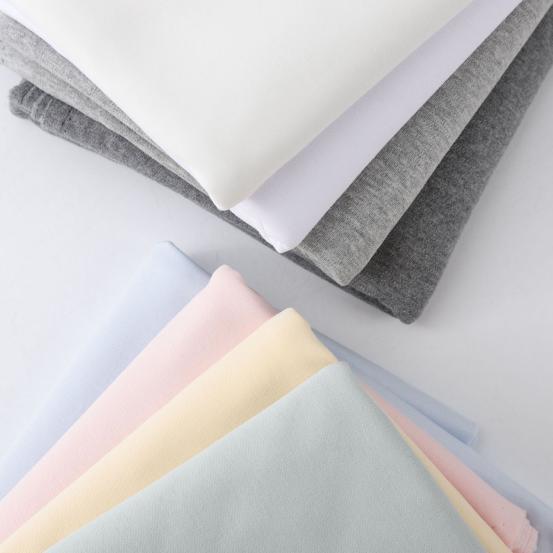
Organic cotton blanket: natural but not simple
When it comes to blankets, many people’s first impression is cotton. Unlike regular cotton, organic cotton emphasizes the absence of pesticides, fertilizers, and genetically modified organisms during its cultivation, making the entire supply chain more environmentally friendly and healthy.
Advantages:
- Skin-friendly: Organic cotton fiber is soft and has almost no chemical residue, making it very suitable for people with sensitive skin.
- Environmentally friendly attributes: avoid chemical pollution and reduce damage to soil and water sources.
- Comfortable and breathable: retains the natural breathability and moisture absorption of cotton, suitable for daily use all year round.
insufficient:
- High price: The organic cotton cultivation and certification process is complicated, which leads to higher costs for the blanket.
- Durability differences: Some organic cotton products may wear out more easily with long-term use than high-tech synthetic fibers.
- Seasonal limitations: In cold regions, a single organic cotton blanket may not provide enough warmth.
Industry data, according to a report by Textile Exchange, predicts a 37% year-over-year increase in global organic cotton production in 2024, reflecting consumers’ heightened interest in environmentally friendly materials. However, this also presents a market for “pseudo-organic” products, prompting consumers to pay special attention to certification logos (such as GOTS and OEKO-TEX) when purchasing.
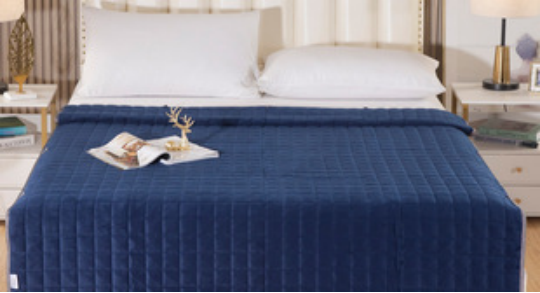
Bamboo fiber Blanket: light yet technological
Compared to organic cotton, the highlight of a bamboo fiber blanket is its “modern feel.” Bamboo grows quickly and does not require a lot of irrigation or pesticides, so it is considered an efficient renewable resource.
Advantages:
- Breathable and Cool: The natural hollow structure of bamboo fiber makes the blanket lighter and more breathable, suitable for hot and humid environments.
- Antibacterial properties: Some studies have shown that bamboo fiber has natural antibacterial effects and can help reduce the growth of mites.
- Environmentally friendly planting: Bamboo forests do not require excessive cultivation and pesticides, reducing the ecological burden.
- Smooth texture: Compared with traditional cotton cloth, bamboo fiber blankets feel closer to silky smoothness.
insufficient:
- There is controversy over the processing method: most of the bamboo fibers on the market need to be processed through chemical processes (viscose process), and there are disagreements on whether it is still environmentally friendly.
- Lack of durability: Bamboo blankets may lose their original softness more quickly than organic cotton after repeated washing.
- Large price range: The quality of bamboo fiber products on the market varies greatly, ranging from tens of dollars to hundreds of dollars, making it easy for consumers to fall into traps.
According to actual user feedback, many families living in Southeast Asia or the southern United States prefer to choose bamboo fiber blankets in summer because their lightness and breathability are particularly suitable for humid and hot environments.
Organic Cotton vs. Bamboo Fiber: How to Choose the Right Eco-Friendly Blanket?
Many people ask: Should I buy an organic cotton blanket or a bamboo fiber blanket? The answer depends on the usage scenario and personal needs.
- Focus on year-round applicability and durability → Organic cotton blanket is more reliable.
- If you live in a hot and humid area or are prone to night sweats, a bamboo fiber blanket is more suitable.
- If you have allergies or are worried about chemical residues, consider organic cotton.
- Looking for a light and cool experience?→ Bamboo fiber is a good choice.
From an environmental perspective, organic cotton reduces chemical inputs during cultivation, while bamboo fiber offers greater sustainability. Both have their merits; the key lies in where consumers are willing to compromise.
Things to note when purchasing environmentally friendly blankets
- Whether you choose organic cotton or bamboo fiber, the following points can help you avoid common misunderstandings:
- Certification mark: give priority to blankets with GOTS (Global Organic Textile Standard) or OEKO-TEX (certification for the detection of harmful substances).
- Brand transparency: Check whether the brand discloses its supply chain information and whether the processing technology is clearly marked.
- User experience: Learn about real user reviews before purchasing to avoid being attracted only by the “environmentally friendly” label.
- Maintenance: Organic cotton is suitable for low-temperature washing, while bamboo fiber requires more gentle washing and avoids strong drying.
- Price trap: Not all expensive blankets are truly environmentally friendly. Beware of “green marketing.”
These details determine whether your blanket is truly environmentally friendly, healthy, and durable.
Environmental protection Blanket is a life attitude
Choosing an eco-friendly blanket isn’t just a matter of comparing organic cotton to bamboo fiber; it’s about your lifestyle. Organic cotton emphasizes naturalness and health, while bamboo fiber offers a technological and lightweight feel.
Perhaps the ideal answer isn’t a single blanket, but rather a flexible mix based on the season, environment, and body needs. You could use an organic cotton blanket in the winter and a bamboo fiber blanket in the summer, integrating comfort and environmental protection into your daily life.
Environmental protection is not just a slogan but is hidden in the daily details of a
blanket. So, which environmentally friendly blanket would you choose for yourself or your family?