
Have you ever experienced this dilemma: going to the mall or online to choose a blanket and seeing the Twin, Queen, or King sizes but not being sure which is best for you? Perhaps your bed isn’t big, but you’re worried the blanket will fall to the floor in the middle of the night. Or perhaps your bed is spacious, but a twin size feels inadequate. The size of a blanket not only affects your sleep comfort but also directly impacts your daily use experience. Today, we’ll help you choose the right blanket from four perspectives: size standards, bed compatibility, usage habits, and practical advice.

Common Blanket Sizes and Applicable Bed Types
The most common blanket sizes on the market include Twin, Full/Double, Queen, and King. Understanding the actual coverage of these sizes is the first step in purchasing.
- The Twin Blanket
Twin measures approximately 66 x 90 inches (168 x 229 cm), making it a perfect size for a single bed or child’s crib. It’s lightweight, easy to clean, and packs away, making it ideal for dormitories or single rooms. However, its length and width may be a bit too short for adults, making it easy to kick off in the middle of the night. - Queen Blanket:
The Queen Blanket measures approximately 90 x 90 inches (229 x 229 cm) and covers most double beds. This size is perfect for couples or those who prefer the looser coverage of a blanket. It’s neither too small to leave you exposed nor too bulky, achieving a perfect balance of comfort and practicality. - King Blanket:
The King Blanket measures approximately 108 x 90 inches (274 x 229 cm) and is primarily designed for king-size beds or those seeking extra coverage. It provides warmth for two people and the surrounding area, making it ideal for winter or those who prefer to sleep with a blanket. However, it is also heavier and requires more space for washing and storage.
In addition to the dimensions, you should also pay attention to the length and width ratio of the blanket. Some brands have longer king blankets and wider queen blankets, so it’s best to refer to the specific size chart before purchasing to ensure it fits your bed.
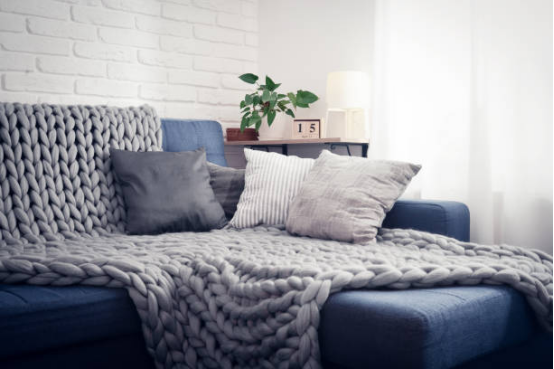
Practical considerations for choosing a blanket size
When choosing a blanket, it is not enough to just look at the bed type; you also need to consider personal usage habits, seasonal needs, and family members.
- For single use
A twin blanket is sufficient for a single person; it’s lightweight and comfortable. For more flexible coverage, opt for a queen blanket, which increases length and width to prevent it from kicking off in the middle of the night. - for
double beds, while a king blanket is more suitable for couples or those who prefer the wider coverage of a blanket. Especially in winter, a king blanket can cover both people and the surrounding area of the bed, ensuring warmth all night long. - for children’s or teenagers’ rooms
, as it’s easy to wash and change without taking up too much storage space. As your child grows, you can upgrade to a full or queen size based on their height and preferences. - Season and Climate:
In summer, you can choose a thin blanket. Even in queen or king size, it won’t be too stuffy. In winter, you can choose a thick or weighted blanket, which is slightly larger in size to ensure coverage and warmth.
Blanket size and bed matching tips
Many people tend to overlook the matching of the bed and sheets when buying a blanket. Small details often affect the overall sleeping experience.
- Single bed + Twin blanket: The most economical and convenient, covering the entire bed but not mopping the floor.
- Double + Queen Blanket: Ideal for covering both sides, with slightly dropped edges for a neat look.
- King bed + King blanket: Ensures that every sleeper and the surrounding area of the bed are covered by the blanket, which is also more visually luxurious.
Another thing to note: If your bed has a bed skirt or thick quilt cover, it is recommended that the blanket size be slightly larger than the bed size to ensure complete coverage and avoid kicking it off or exposing the edge of the mattress in the middle of the night.
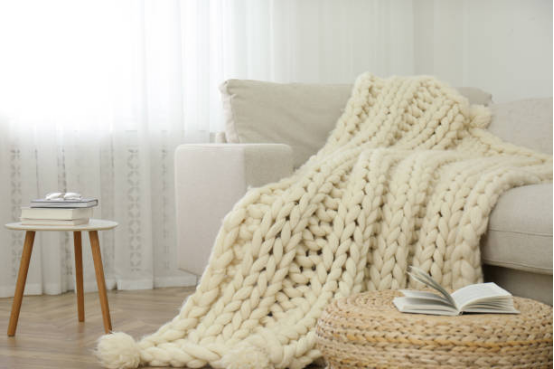
Psychological and lifestyle factors in blanket size selection
Personal living habits and psychological needs should also be considered when choosing a blanket:
- For those who like to be wrapped tightly: You can choose a blanket one size larger so that you can be completely wrapped by the blanket and feel safe.
- Those who like lightness and freedom: choose a slightly smaller size or a thin blanket to reduce weight and the feeling of restraint.
- Family Sharing Blanket: Choose a larger size to ensure comfortable use by multiple people.
In addition, the home environment also affects the choice: in a room with a small bed space and limited storage, an overly large blanket may be inconvenient to store, while in a spacious bedroom, a large blanket can be selected to enhance the visual and tactile enjoyment.
Choose the right Blanket for a more comfortable sleep
Blanket size selection may seem simple, but it actually involves matching the bed type, the number of users, seasonal needs, and personal preference. Here are the key points:
- Single beds are preferably twin or queen to ensure both lightness and comfort.
- For a double bed or a couple’s bed, choose at least a queen size. In winter or when you prefer a spacious feel, you can choose a king size.
- for children’s and teenagers’ rooms and is easy to clean and store.
- Pay attention to your living habits and psychological preferences. People who wrap themselves tightly or like to hold a blanket can choose a slightly larger size.
- Seasonal factors: Light and thin blankets are recommended in summer, while thick or heavy blankets are recommended in winter. A slightly larger size is more comfortable.
Ultimately, choosing a blanket isn’t just about numbers; it’s also about quality of life. The right size can keep you warm and comfortable all night long while also giving your bedroom a clean and upscale look.
Is your bed a twin, queen, or king? Do you choose a large blanket to wrap yourself in, or do you prefer a smaller, lighter size? Feel free to share your experience in the comments section; it might help others who are choosing a blanket.