
Table of Contents
Materials science’s contribution to Blanket lightweighting
In today’s fast-paced modern life, lightweighting has become an indispensable design concept for everyday products, and Blanket’s lightweighting is achieved through sophisticated materials technology. Lightweight blanket material doesn’t just mean “light”; it represents a comprehensive optimization of fiber selection, weaving processes, and structural design. The application of high-performance synthetic fibers, microfibers, and composite blends allows Blanket to achieve a lower unit weight while maintaining a soft feel. For example, the cross-sectional design of microfibers traps more air layers, thus reducing material weight while ensuring warmth. This lightweight advantage is particularly prominent in outdoor travel, long commutes, or camping scenarios, reducing backpack burden and allowing users to quickly unfold and use the blanket without worrying about carrying inconvenience or extra weight.
More importantly, the lightweight design also brings a convenient storage experience. The scientific fiber arrangement and weave design make the blanket more compact and even when rolled up or folded, avoiding the bulky problem of ordinary heavy blankets when stored. This not only improves ease of use but also provides users with flexible carrying options, keeping them warm without sacrificing portability, whether for city commuting, camping picnics, or long-distance travel.
Weave and Durability Assessment
The durable weave is a core factor determining the lifespan and long-term performance of a blanket. The weave density, yarn interlacing method, and weaving tension directly affect the fabric’s tensile and tear resistance. Research data shows that denser interlacing or double-layer weaves effectively disperse external forces, allowing the fabric to maintain its shape during prolonged use and reducing the likelihood of wear and fiber breakage. Furthermore, the application of modern fiber composite and surface treatment technologies gives blankets a certain degree of moisture resistance, stain resistance, and UV protection, meaning that even with frequent outdoor use, they are less prone to fading, deformation, or damage.
Durability assessment typically employs tensile strength testing, friction testing, and repeated folding testing. Through these scientific experiments, manufacturers can quantify the lifespan and abrasion resistance of blanket fabric, thus providing users with a predictable long-term user experience. Durable weaves not only extend product lifespan but also reduce the need for frequent replacements, which is significant from both economic and environmental perspectives.
Relationship between flexibility index and comfort
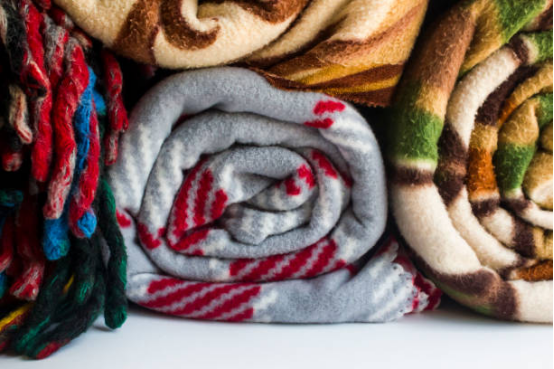
Durability and flexibility are often seen as contradictory properties, but in a high-quality blanket, these two are scientifically balanced. Flexibility assessment indicators include flexural recovery, folding resistance, and tensile strength. By optimizing fiber elasticity and weave structure, the blanket remains soft and smooth, without noticeable creases or stiffness, even during repeated folding, rolling, and unfolding.
This flexibility directly enhances comfort. For example, during family leisure time, the soft blanket conforms better to the body’s curves, providing a snug fit; during outdoor camping or travel, the flexible fabric adapts to different terrains and environments, ensuring users stay warm and unrestricted in various situations. At the same time, the flexible design reduces the risk of fiber breakage, allowing the blanket to maintain its original shape even after prolonged use.
Material combination and structural synergy
Scientific design focuses not only on a single performance characteristic but also on the synergistic effect of material combinations and structure. Modern blankets achieve a balance between lightweight and durability by rationally combining lightweight and high-strength fibers with abrasion-resistant weaves. In terms of structural design, some blankets incorporate multi-layer fiber layouts or air-insertion technology to further enhance warmth retention while avoiding additional weight.
This structural synergy not only makes the blanket lighter and more durable but also enhances its versatility. For example, a high-performance blanket can serve as bedding, a picnic cover, or a temporary windbreak, adapting to various needs. The scientifically balanced materials and structure ensure that it remains lightweight while withstanding frequent use or external impacts, providing users with a long-term, reliable warmth experience.
Durability and routine maintenance
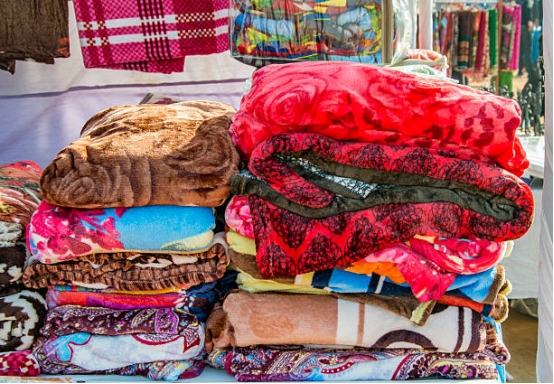
To maintain the lightweight and durable properties of Blanket, proper daily maintenance is essential. High-temperature washing, exposure to strong sunlight, or chemical bleaching can cause fiber aging, loss of elasticity, or loosening of the weave. Gentle hand washing or low-temperature machine washing, combined with moderate air drying, is an effective way to extend the life of the blanket.
In addition, regularly checking the seams and fabric for wear and tear helps to identify potential problems early. For example, for blankets, which are frequently used outdoors, paying attention to wear and tear at corners and folds allows for proactive treatment of small cracks or fiber shedding, thus extending the overall lifespan of the product. With proper maintenance, blankets can maintain their lightweight portability and high strength and durability even after long-term use, fully demonstrating the value of material technology and weave design.
Brand and Trend Insights
As consumer demand for high-performance household goods increases, the design of lightweight and durable products is becoming an industry trend. Brands are focusing on the integrated application of material technology, innovative weaving techniques, and structural optimization, rather than judging insulation performance solely by appearance or thickness. These high-performance products not only excel in both home and outdoor use but have also become a signature choice for users prioritizing comfort, portability, and durability.
Industry data shows that consumers are increasingly focusing on lightweight materials, durable weaves, and flexibility when choosing home goods. This shift means that scientific design, performance data, and practical experience are becoming important factors in purchasing decisions. By understanding the scientific principles behind lightweight materials and durable weaves, users can more rationally evaluate products and select items that truly meet their daily needs.
Conclusion
The blanket’s lightweight and durable qualities are the result of a combination of materials science, innovative weaving techniques, and structural design. From fiber selection and weaving layout to structural coordination, every step has been scientifically optimized to achieve a perfect blend of lightness, durability, flexibility, and versatility. By understanding these design principles, users can not only experience the comfort of a high-quality blanket but also make more confident choices for long-term use.
Are you ready to experience the lightweight durability and comfort brought by scientific design? This innovative design, which combines technology and life, will completely change your perception of Blanket, making every use an enjoyable experience.