
Camping is an escape from the routine, offering an opportunity to reconnect with nature. However, with the thrill of being outdoors comes the challenge of staying warm, especially during chilly nights by the campfire or under a starry sky. For avid campers, choosing the right blanket is more than just about comfort—it’s about performance, durability, and versatility in the face of unpredictable weather conditions. But how do you decide on the best camping blanket when considering warmth, durability, comfort, and other factors? Let’s take a deep dive into the essential qualities every camper looks for in a trusted blanket for their adventures.
Speed of Warmth: How Quickly Can Your Blanket Heat You Up?
When you’re out camping, the temperature can shift dramatically—what starts as a mild evening can quickly turn into a chilly night. This makes the speed at which your blanket provides warmth a critical factor.
High-performance blankets typically use materials that trap heat quickly and effectively. For example, synthetic fabrics like polyester or fleece are excellent at heating up fast due to their lightweight nature and insulating properties. These materials work by trapping warmth close to your body, making them ideal when the temperature drops unexpectedly.
On the other hand, natural fibers like wool and down tend to retain heat more efficiently once they’re warm but may take a bit longer to reach that level of comfort. While wool can take more time to warm up initially, it’s fantastic at regulating temperature and keeping warmth for long stretches, even in cold conditions.
For campers who need rapid warmth, synthetic blankets might be the best option, but those looking for sustained warmth over time may want to consider a wool or down alternative.
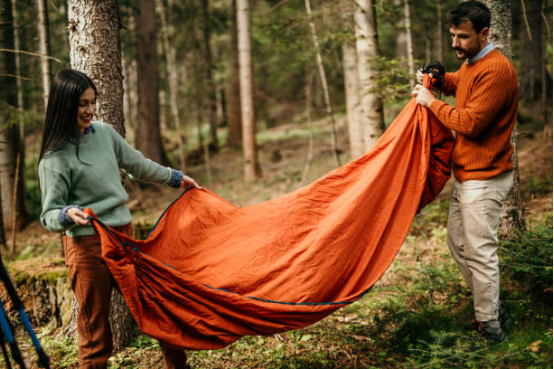
Durability for Long-Term Camping Adventures
Camping blankets aren’t just about comfort—they need to withstand the wear and tear of the outdoors. The last thing you want is a blanket that loses its shape or effectiveness after just a few trips. When selecting a camping blanket, durability is key.
Synthetic blankets, such as those made from microfiber or fleece, tend to be quite durable, holding up well to regular use and exposure to the elements. These materials resist wear and tear, dry quickly after a rainy night, and are generally easy to clean. They’re also lightweight, which is a major bonus for those who like to keep their gear compact.
Natural fiber blankets, like those made from wool, are known for their longevity. They may require more care, especially when it comes to washing and storage, but they provide excellent insulation and stand the test of time. Wool blankets, for instance, can last for years if properly cared for, making them a good investment for campers who want something that performs well year after year.
Sensitivity and Comfort: The Perfect Feel for Your Skin
When camping, comfort is crucial—especially when you’re spending long hours wrapped up in your blanket after a day of outdoor activities. A camping blanket’s feel against the skin is an often-overlooked, but vital, factor to consider.
Some campers may find that wool, while incredibly warm, can cause itching or irritation, particularly for those with sensitive skin. However, merino wool is a softer, more comfortable alternative that many campers swear by. Its moisture-wicking properties and ability to regulate body temperature make it ideal for chilly nights when you need both warmth and comfort.
For those seeking a softer feel, synthetic fabrics like fleece or microfiber are great choices. These materials are soft, non-irritating, and hypoallergenic, making them suitable for campers with sensitive skin. They’re also incredibly cozy, giving you that “wrapped-in-softness” feeling, which is a comforting touch after a long day outdoors.
If skin sensitivity is a concern, look for camping blankets that are labeled hypoallergenic or made from smooth materials that won’t irritate your skin. Comfort is key when you’re out camping, so take the time to choose one that feels right for you.

Price Range: Balancing Budget with Performance
Budget is always a consideration, especially when investing in camping gear. While there are high-end blankets made from premium materials like cashmere, alpaca wool, or down feathers, these can be quite expensive. However, they offer superior warmth, lightness, and durability, making them ideal for those who are serious about their camping trips and need something that performs well in extreme conditions.
On the more affordable end of the spectrum, synthetic blankets provide excellent performance at a fraction of the cost. Materials like polyester, fleece, and microfiber are affordable, lightweight, and easy to care for. They may not offer the same level of insulation as natural fibers, but for many campers, they still provide sufficient warmth and comfort for most outdoor activities.
For campers who are willing to make an investment, blankets made from wool, merino wool, or down feathers can provide better insulation and superior warmth. These blankets tend to last longer and offer better temperature regulation, making them a worthy investment for those who camp regularly.
Ultimately, it’s about balancing your budget with the performance you need. If you’re a frequent camper, a higher-end blanket could be worth the investment, but if you’re just starting out or camp only occasionally, an affordable synthetic option might suit your needs perfectly.
Conclusion: The Versatile Camping Blanket You Can Count On
Choosing the right camping gear isn’t just about finding the warmest option—it’s about selecting a solution that fits your specific needs, lifestyle, and budget. Whether you prioritize quick warmth, durability, comfort, or price, there’s a perfect option out there to make your camping experience more enjoyable and comfortable.
For those seeking a long-lasting companion for outdoor adventures, it’s worth exploring the different types of materials and fabrics available. Take time to consider the pros and cons of synthetic versus natural fiber options, and choose one that aligns with your camping style. Whether you prefer the quick warmth of synthetics or the long-lasting insulation of wool, finding the right choice is essential for any adventurer.
Ready to find the best options for your next outdoor trip? Check out our website for more information and helpful resources on choosing the perfect gear for all your camping needs.