
When the temperature drops, nothing feels more comforting than wrapping yourself in a blanket. But what makes a blanket truly warm and effective in retaining heat? It’s not just about the material; the secret to its warmth lies in the combination of structure, design, and fabric. In this article, we’ll delve into the key elements that contribute to a blanket’s warmth efficiency, exploring aspects like fiber density, insulation properties, multi-layer design, and more.
Fiber Density and Its Role in Heat Retention
One of the primary factors influencing a blanket’s warmth is the density of the fibers used in its construction. The higher the fiber density, the more air can be trapped between the fibers, creating natural insulation. These trapped air pockets act as barriers, preventing the loss of heat and helping to keep you warm. In comparison, low-density fibers allow more heat to escape, making the blanket less efficient at retaining warmth.
Many thermal blanket studies reveal that when fibers are packed more closely together, they significantly reduce thermal conductivity, allowing heat to be retained for longer periods. High-density fibers are especially important in lightweight blankets, as they help to maintain warmth without adding excess bulk. This explains why premium blankets, even those that are thin, can still provide a high level of insulation during cold nights or outdoor activities.
The Impact of Fiber Arrangement
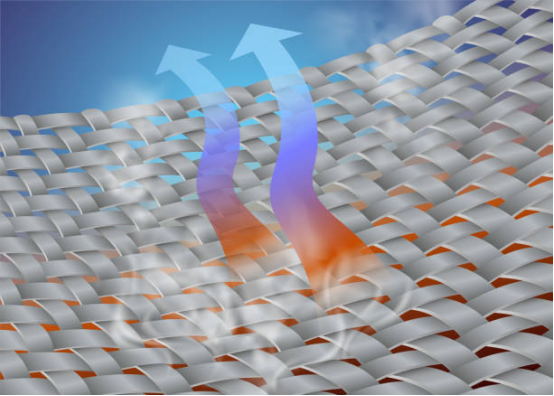
The way fibers are arranged within the fabric also plays a crucial role in a blanket’s warmth efficiency. Fabrics that are woven or knitted with tight weaves help to prevent heat from escaping, while loose weaves or irregular fiber arrangements can lead to heat loss. The denser and more uniform the fabric structure, the better it can trap warmth.
By using advanced textile technologies to refine the way fibers are spun and interwoven, manufacturers can create blankets that are incredibly effective at retaining heat, yet remain lightweight and easy to carry. This innovation in fiber arrangement has led to the creation of blankets that deliver both comfort and efficiency without compromising on portability.
Insulation Materials and Their Heat Conductivity
A blanket’s ability to trap heat largely depends on the type of insulation material used. While different materials may vary in terms of weight and texture, all have one thing in common—they are designed to resist heat loss and keep warmth in.
The most effective insulation materials used in blankets today combine high heat retention with low weight. These materials, often referred to as “thermal insulators,” are engineered to trap and hold body heat. The design and composition of these insulating fibers help create a warm barrier that prevents heat from escaping into the cold air.
Synthetic vs. Natural Insulation
Blankets made with synthetic insulation tend to maintain their insulating properties even when exposed to moisture. This makes them an excellent choice for outdoor environments where you might encounter wet conditions. Synthetic insulation fibers, like polyester, are highly effective at retaining warmth even when damp, which helps maintain a comfortable temperature in unpredictable weather.
In contrast, natural insulation materials like cotton or bamboo fibers also offer impressive thermal performance but may not perform as well in damp conditions. However, these materials are highly breathable and have a more natural feel, making them ideal for individuals who prioritize comfort and eco-friendly choices.
Ultimately, the choice of insulation material influences not only the warmth but also the blanket’s comfort and durability over time. High-quality insulation materials, whether synthetic or natural, contribute to the overall effectiveness of the blanket in keeping you warm and cozy.
The Power of Multi-Layer Construction
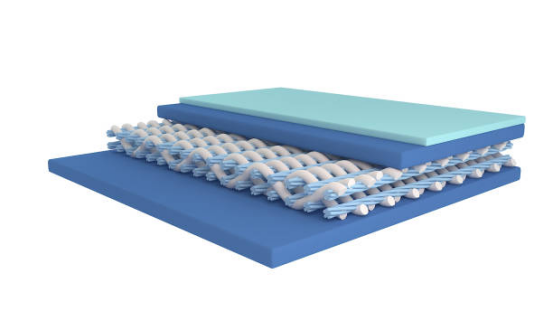
Another key factor that impacts warmth efficiency is the structural design of the fabric. Specifically, multi-layer constructions are far more effective at trapping heat than single-layer designs. Each additional layer adds another barrier to keep warmth contained, significantly slowing down heat loss.
The multi-layer structure works by creating air pockets between the fabrics, which act as natural insulators. These air pockets help retain heat, ensuring that warmth is spread evenly across the surface. Whether used indoors or outdoors, this design ensures consistent heat retention, making it perfect for colder climates or winter conditions.conditions.
Quilted Patterns and Heat Distribution
One common multi-layer design used in modern blankets is the quilted pattern. Quilted blankets have stitched seams that hold the insulation in place, ensuring that it stays evenly distributed throughout the fabric. This helps avoid cold spots that can form when insulation material shifts over time.
The quilting process is essential for maintaining the blanket’s warmth efficiency by evenly distributing the insulating material. Without this technique, the insulation could clump together or compress, reducing its effectiveness and leading to uneven heat retention. By securing the insulation with carefully designed quilted patterns, manufacturers can ensure that the blanket provides uniform warmth over the entire surface.
Balancing Lightweight Design with Maximum Warmth
While warmth is the primary function of any blanket, portability is equally crucial for many users. A truly effective blanket should not only provide insulation but also be lightweight and easy to transport. This becomes especially important for outdoor activities like camping, hiking, or traveling.
Achieving the ideal balance between warmth and weight involves carefully selecting the right fiber density, insulation materials, and multi-layer construction. When designed correctly, a blanket can provide exceptional warmth without being too bulky or heavy. This makes it perfect for various uses—whether you’re commuting in the city, embarking on a camping adventure, or simply traveling. The convenience of folding it into a compact size and carrying it effortlessly adds considerable value, making the blanket versatile for both comfort and practicality.
Compact and Practical Design
Modern blankets are designed to be compact and versatile, making them suitable for various environments. They can be easily folded or rolled into small bundles, which makes them ideal for individuals who need both comfort and convenience. Despite their light weight, these blankets still manage to offer the same high level of warmth, proving that it’s possible to have both functionality and comfort in one design.
Maintenance and Longevity of High-Performance Blankets
To maintain optimal warmth efficiency, proper care is essential. Over time, bedding can lose its insulating properties if not maintained correctly. Regular cleaning, storing in a dry place, and avoiding prolonged compression of the fibers can help preserve heat retention.
When washing, always follow the manufacturer’s instructions to protect the structure of the fibers. High-performance bedding often requires gentle wash cycles to avoid damaging the insulation. By adhering to these care guidelines, you can extend the life of your bedding and continue enjoying its warmth for years.
Restoring Loft and Freshness
Blankets that are regularly used should be aired out and dried properly to restore their loft and fluffy texture. This helps the fibers regain their original shape and improves the blanket’s heat retention. Additionally, occasional deep cleaning can help maintain the freshness of the blanket, ensuring that it remains comfortable and hygienic.
Conclusion: The Science of Warmth Efficiency
In conclusion, the warmth efficiency of a blanket isn’t solely dependent on the material; it’s the result of various factors working together. From fiber density to insulation properties, multi-layer designs, and careful construction, each element contributes to creating a product that offers both comfort and heat retention.
Whether you’re searching for something for cold weather, outdoor activities, or daily use, understanding these structural factors will help guide your decision. By considering the details of fiber density, insulation, and multi-layer techniques, you can choose a solution that keeps you cozy and functional, no matter the setting.