
When it comes to choosing the perfect blanket, the debate often boils down to two major materials: feather down and wool. Both offer exceptional warmth and comfort, but each has its own unique set of qualities that can affect how well it meets your needs. In this article, we’ll explore the differences in usage experience between down and wool blankets, diving into factors like warmth efficiency, comfort, durability, and care. By the end, you’ll have a clearer idea of which material might be the best fit for your personal preferences.
Table of Contents
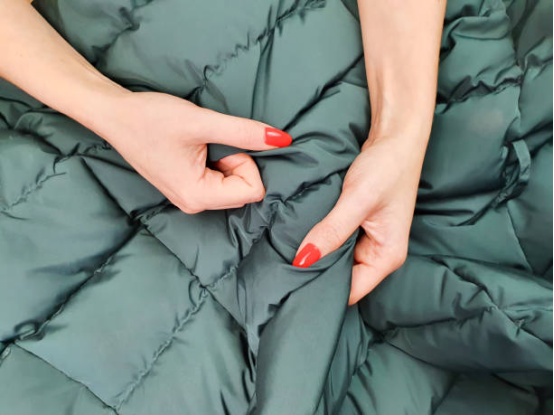
Speed of Warmth: How Quickly Can Each Blanket Heat You Up?
One of the first things that comes to mind when you think about comfort during cold weather is warmth. But when it comes to feather down versus wool, how quickly each material provides that warmth can vary significantly.
Feather Down Blankets: Fast and Lightweight
Feather-down blankets are typically quicker to warm up than wool. The down insulation traps body heat rapidly, which is why down is often praised for its lightweight yet highly efficient heat retention properties. As soon as you wrap yourself in a down blanket, you’ll likely notice the warmth almost immediately. This makes feather-down blankets ideal for those chilly nights where you need a blanket that responds quickly to temperature changes.
Wool Blankets: Gradual but Long-Lasting Warmth
Wool, on the other hand, takes a bit more time to warm up. This is because wool fibers are denser and heavier compared to down feathers, and it takes a bit longer to trap heat in those fibers. However, once wool reaches its optimal warmth, it excels at keeping you warm for longer stretches of time. Wool naturally regulates temperature, which means it can keep you cozy even in colder climates, but it’s not the fastest option if you need immediate warmth.
Bottom Line: Feather down blankets win when it comes to speed, but wool excels in long-term heat retention.
Durability: Which Blanket Lasts Longer and Stays Cozy Over Time?
The durability of your blanket is essential, especially if you plan to use it frequently. Durability is not just about how long the blanket lasts before it shows wear and tear but also how well it retains its insulating properties over time.
Feather Down Blankets: Lightweight and Resilient, but More Fragile
Down blankets are lightweight and generally have a softer, fluffier texture. While they are durable in the sense that they don’t lose their shape or warmth very easily, they can be more prone to damage if not properly cared for. Down feathers can clump together, and the blanket may lose its loft after frequent use and washing. However, high-quality down blankets, if treated with care, can last for many years.
Wool Blankets: Strong and Long-Lasting, but Care Required
Wool is known for its remarkable durability. Wool fibers are naturally resilient and can maintain their insulating properties over time. A wool blanket can withstand frequent washing and prolonged use without losing its effectiveness. However, wool requires more maintenance than down, as it needs to be hand-washed or washed on a delicate cycle to prevent shrinking or felting. When properly cared for, wool blankets can last a lifetime.
Bottom Line: Wool blankets generally have superior longevity, but down blankets can also last for many years with the right care.
Comfort: The Softness and Feel Against Your Skin
Comfort is all about how the material feels against your skin. Down is known for its lightness and softness, offering breathable warmth without overheating. It’s perfect for those who enjoy a light, airy feel while staying dry throughout the night.
On the other hand, wool provides a more structured coziness. It excels at regulating temperature, keeping you warm in the cold and cool in warmer conditions. Wool also wicks moisture and resists odors, making it a great option for those who sleep in varying temperatures. While it’s a bit firmer than down, many people find its natural warmth incredibly comforting, especially in chillier climates.
Feather Down Blankets: Soft, Light, and Fluffy
Feather-down blankets are incredibly soft and lightweight. They offer a luxurious, cloud-like feeling that’s perfect for those who want something that feels light and airy. Down feathers are breathable, which helps regulate body temperature and prevent overheating during sleep. However, down can sometimes feel too light for those who prefer a bit more heft to their bedding.
Wool Blankets: Heavier but Cozy and Breathable
Wool blankets, especially those made from merino wool, offer a slightly heavier feel. While wool is breathable, it’s also excellent at wicking moisture away from your body, helping you stay dry and warm all night. Wool fibers naturally adapt to your body temperature, so you won’t overheat, making it a great option for those who tend to get too warm during the night. While wool can be soft, some people may find it a bit rough or itchy, particularly with coarser wool varieties.
Bottom Line: Feather down offers the softest, lightest feel, while wool provides more warmth and moisture-wicking properties, albeit with a slightly heavier texture.
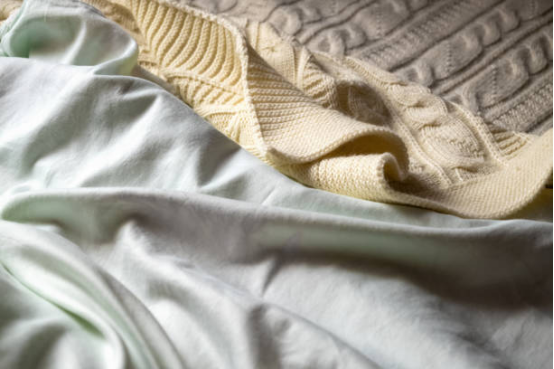
Price: Finding the Right Option for Your Budget
When selecting bedding, price is an important consideration. Both down and wool come in a wide range of prices, and the cost can vary greatly depending on the material quality.
Feather Down: Premium Price for Premium Warmth
High-quality down tends to come at a higher price. Known for its exceptional warmth and lightweight feel, down insulation delivers top-notch performance without the heaviness that often accompanies thicker bedding. The price reflects the premium nature of the material—ideal for those seeking superior warmth and breathability.
Wool: A Balanced Investment for Longevity
Wool, particularly fine merino wool, also commands a premium price, but it offers long-lasting durability. Wool naturally retains heat and provides consistent warmth, making it a great choice for those looking for something that will last many years. While high-end wool options are expensive, there are more affordable alternatives, though they might lack the same softness or durability as the premium versions.
Bottom Line: Down materials tend to cost more upfront, while wool offers a durable long-term investment when cared for properly.
Conclusion: Which One Should You Choose?
When choosing between down and wool, it ultimately boils down to your specific needs and preferences. If you value quick warmth, lightweight comfort, and breathability, down might be your ideal option. Its ability to trap heat quickly and maintain a light, airy feel makes it perfect for those seeking immediate coziness.
On the other hand, if durability, temperature regulation, and long-lasting warmth are more important to you, a wool blanket could be the better choice. Wool excels in providing steady insulation, even during the coldest nights, while also offering excellent moisture-wicking properties to keep you dry and comfortable.
The key to finding the perfect bedding lies in understanding how each material aligns with your lifestyle. Whether you choose down or wool, both bring their own unique advantages to ensure you stay warm and cozy throughout the year.