
In the sweltering summer or in strictly temperature-controlled offices, the coolness brought by air conditioning often comes with unexpected temperature fluctuations. Even when the sun is shining brightly outside, the cold air indoors can feel bone-chilling. A blanket , a simple yet indispensable household item, becomes especially important in such environments. Choosing a lightweight yet warm air-conditioned room blanket can not only alleviate the discomfort caused by temperature differences but also enhance comfort, allowing you to maintain just the right amount of warmth in an air-conditioned space.
The scientific principles of lightweight and warm design
To achieve comfort in an air-conditioned room, the design of a light warm blanket must balance lightness and warmth. The choice of materials directly affects temperature perception. Natural fibers such as wool and cotton provide soft warmth while maintaining good breathability. In contrast, synthetic fibers such as polyester are generally lighter, easier to wash, and their warmth can be adjusted through fiber density.
Lightweight and warm summer AC blankets typically use low-weight but high-loft materials. This structure maintains air gaps while avoiding the heaviness of traditional thick blankets, allowing for freedom of movement while covered. Furthermore, the skin-friendly nature of the fabric surface is crucial: a smooth, soft surface reduces skin friction, making the experience more comfortable.
Scientific research indicates that combining a suitable air conditioning temperature with a lightweight, warm blanket can effectively reduce muscle tension or vasoconstriction caused by excessively low room temperature. The lightweight insulation layer not only maintains a stable perceived temperature but also provides psychological warmth, helping people stay relaxed during long periods of work or rest.

Material selection and function comparison
When choosing an air-conditioned room blanket, the material is the primary consideration. Cotton blankets are soft and breathable, suitable for people with allergies, and also have some moisture-wicking properties to prevent the dampness caused by sweat buildup. Wool blankets are highly warm and maintain comfort even in cold environments, but they are relatively heavy and suitable for use at night or for quiet rest.
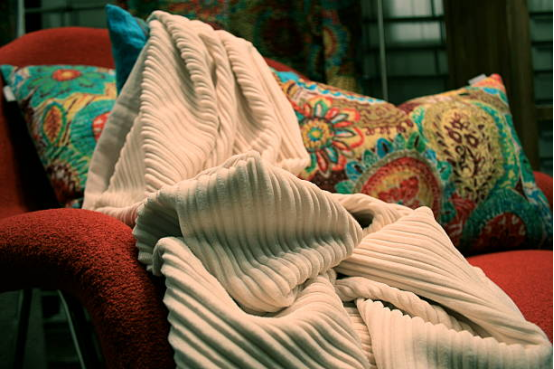
Lightweight and warm synthetic fiber blankets, such as microfiber or microfleece materials, offer the advantages of being lightweight, easy to wash, and quick-drying, making them ideal for everyday use in air-conditioned environments. Especially in office or living room settings, these summer AC blankets can be easily draped over without feeling bulky, while their soft texture adds to the comfort of being covered.
Functional design is also an important factor in differentiating blankets. Some lightweight warm blankets incorporate air gaps in their weave or fiber arrangement to maintain more even heat distribution and prevent localized areas from becoming too cold or too hot. Furthermore, reinforced edges and anti-pilling treatments ensure aesthetics and durability even after long-term use.
Usage scenarios and comfort optimization
A light warm cover isn’t just for bedrooms; it’s also useful in offices, studies, and even relaxation areas. Especially when working long hours in air-conditioned environments, a light warm layer can alleviate cold shoulders, necks, hands, and feet, while also providing a sense of security.
In a sleep environment, using a summer AC layer can prevent difficulty falling asleep caused by large temperature differences. Gently covering the body, rather than pressing down heavily, ensures smooth heat flow, reduces nighttime tossing and turning, and improves sleep quality. For those prone to sweating, choose a breathable fiber material to stay dry without compromising warmth.
In addition, the size and weight of the cover also affect the user experience. Larger, lightweight options can be used for full-body coverage, while smaller versions are suitable for localized warmth on the shoulders, neck, or knees. In multi-person office environments or homes, the flexibility to choose the size of an air-conditioned layer can meet individual needs while ensuring overall comfort.

Maintenance and Durability Strategies
To maintain the performance of your lightweight cover for longer, proper care is essential. Cotton or wool items should be hand-washed or gently machine-washed as indicated on the label, avoiding high-temperature tumble drying, which can cause fiber shrinkage. Synthetic lightweight covers are generally more durable and can be washed in cool water and air-dried to retain their softness and fluffiness.
Regular shaking or patting can help restore the original loft of the fibers and maintain their warmth. At the same time, avoid prolonged exposure to direct sunlight to prevent fading and performance degradation. In air-conditioned environments, timely replacement or rotation of different materials can also extend their lifespan and maintain comfort.
In addition, storing the item in a dry, well-ventilated environment to prevent moisture and mold is important for maintaining its performance. For frequently used light and warm covers, it is recommended to clean them quarterly to ensure that coverage and comfort are not affected.
Lightweight Blanket and Enhanced Quality of Life
In modern homes, air conditioning has become almost ubiquitous. Blankets, as a lightweight and warming solution, are more than just temperature control tools; they are a way to improve quality of life. Choosing an air-conditioned room blanket that suits your comfort level can make daily work, rest, and even entertainment more comfortable, while reducing discomfort caused by temperature differences.
Lightweight yet warm, a blanket also brings a sense of softness to the visual space, adding a cozy atmosphere. Whether it’s a small rug next to your desk or a light, warm blanket by your bedside in the bedroom, it can make life in air-conditioned environments more comfortable and relaxed. For homes or offices with long-term air conditioning, this type of blanket is an indispensable and practical accessory.
In summary, choosing a lightweight and warm blanket suitable for air-conditioned environments hinges on balancing weight and warmth, material selection and breathability, and the intended use and comfort experience. Proper pairing and maintenance ensure that the blanket not only provides thermal protection in daily life but also brings psychological warmth and enhances the quality of life.