
Outside the window, the winter sky is a hazy gray; inside, the heating hums softly. You look towards the corner of the living room, where the children, each holding an iPad, are reflected in the screen’s soft blue glow. The room is quiet, but it feels as if a light-year separates you.
down;If you suddenly stand up and announce, “Put the tablet down, let’s build a castle,” you’ll see a long-lost glimmer in their eyes.
This is more than just a game about cleaning sofa cushions. In the digital age, building a blanket fort might be the most cost-effective and rewarding family team-building activity.
.It doesn’t require expensive tickets or complicated electronic devices; all you need are a few blankets you already have on your bed to create a completely isolated “third space” in the middle of your living room .
gravity andThis is an engineering challenge about gravity, and also a one-way ticket to the world of imagination.
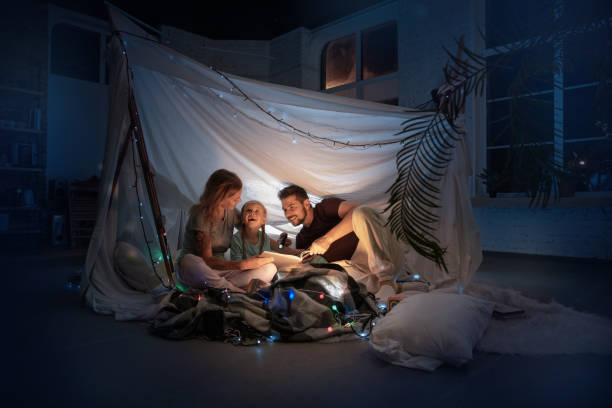
Why do we need this little bit of chaos?
To adults, a floor covered in pillows and sheets might seem like a “household disaster.”
But in child psychology, this enclosed, soft space provides a strong sense of security. It mimics the feeling of being enveloped in the womb, giving children a territory they can completely control in a world full of rules and instructions.
For parents, this is a wonderful indoor winter activity with blankets.
When you all crawl together under that rickety fabric dome, all the pressures of the outside world—unanswered emails, unwashed dishes—are shut out. In this small space, the physical closeness naturally leads to the elimination of psychological distance.
“tribe.”Here, you’re not a bossy manager; you’re the architect or guardian of this “tribe”.
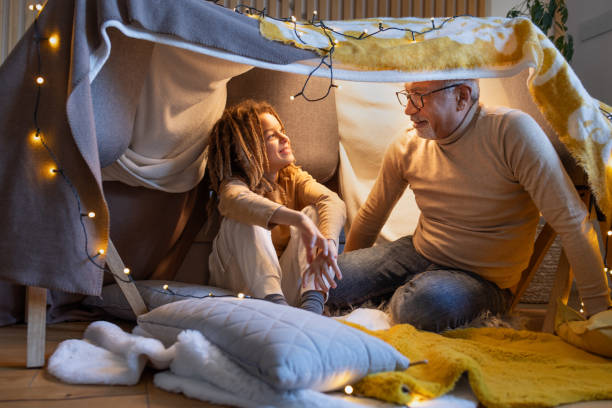
Architecture-Level Guide: How to Build the Best Blanket Fort
Stop simply draping sheets over two chairs. That kind of structure won’t last ten minutes before collapsing, and the frustration of that collapse can ruin your entire afternoon.
As a seasoned “fortress engineer,” you need to master structural mechanics.
To solve the problem of how to build the best blanket fort, you need to understand three core concepts: skeleton, tension, and counterweight.
1. Skeleton: Finding a sturdy support.
Don’t try to support the blanket with the blanket itself.
You need sturdy furniture as “load-bearing walls.” The sofa back is the best main wall, the dining table can be a solid roof, and a high-backed chair is the perfect tower.
Expert tip: Place a broom or mop handle horizontally between two chairs and secure it with a rubber band. You’ll have a perfect “spine” that can support a higher ceiling and prevent a feeling of oppression inside the fortress.
2. Tension and Fasteners
This is where most new parents fail.
isSlippery silk or satin materials are a huge no-no. What you need are cotton or flannel with good friction.
Essential tools: Regular tape usually won’t hold fabric. You’ll need plenty of binder clips (the kind used in offices) or strong clothespins. Use them to firmly clamp the blanket to the edges of your furniture. If you don’t have clips, cable ties are also an excellent temporary fixation tool.
3. Counterweight: The clever use of books
When you stretch a blanket to expand its interior space, the edges can easily slip.
This is where hardcover books on a bookshelf come in handy. Place the books against the edge of the blanket, using gravity to create tension.
Remember, be sure to use heavy hardcover books; magazines are too light and will not only fail to hold it down but may also damage the structure if they slip.
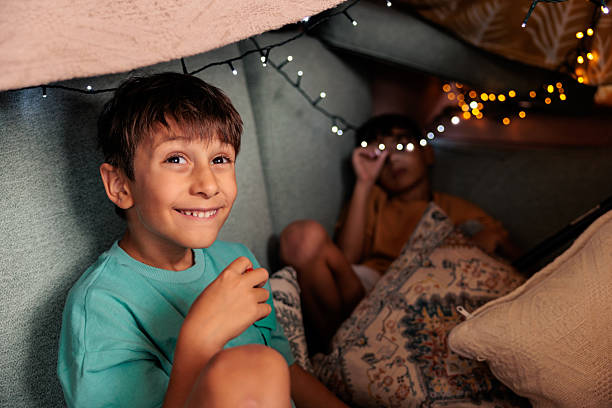
Build your own personal arsenal: Blanket fort kit for kids
While ready-made plastic fort kits are available, they often lack the soul of the activity. The real fun lies in the improvisational feel of “using what you have.”
blanketHowever, you can prepare a custom Blanket fort kit for kids to make it a more ritualistic activity.
“toolbox,”In this “toolbox”, you can put:
- Core building materials: at least two light, large-sized sheets (as a breathable roof) and two thick, fleece-lined blankets (as a comfortable floor).
- Lighting System: This is key to creating ambiance. Avoid using the large ceiling light in the living room. Prepare several strings of battery-powered fairy lights or camping lanterns. When the soft, warm light diffuses through the fabric, the otherwise messy cloth instantly transforms into the canopy of a magical forest.
- Comfortable interior: Stuff in every single throw pillow in your house. The more, the better.
Drafting a Bastion Constitution: No Screen Zone
Once the fortress is completed, the final and most important step is to establish the rules.
It is suggested that this space be defined as an “Absolutely No-Screen Zone.”
Here, only the most basic forms of communication are permitted: telling ghost stories, playing shadow puppet shows with flashlights, or simply lying together eating snacks and chatting.
You’ll find that once the distractions of electronic devices are removed, children suddenly become very talkative.
They’ll tell you about that annoying classmate at school or the strange dream they had last night. These precious conversations often only happen in dimly lit, cramped, and safe places.
Don’t rush to demolish
If space allows, don’t demolish it tonight.
Allow the children (or even yourself) to sleep in this blanket fortress for one night.
The feeling of waking up to find not a ceiling above them, but a colorful dome they built themselves will become a shining page in their childhood memories.
Whether the house is rented or bought, it’s a cold, hard shell of reinforced concrete, but this crooked little nest, built with a few old blankets, is the home you’ve built together right now.
FAQ (People Also Ask)
1. What are the most common mistakes made when building a blanket fort? (How to build the best Blanket Fort)
The biggest mistake is using an overly heavy blanket as a roof.
A heavy wool blanket or weighted rug can cause the structural center to sag, even pulling down the chairs it supports.
The correct approach is “light on top, heavy on the bottom“: use light sheets or duvet covers for the roof, and place a thick, warm blanket on the floor as a rug or mat.
2. Are there any recommended blanket fort kits for kids?
If you don’t want to damage your furniture, consider buying specialized “Fort Building Kits.”
These kits typically include multi-hole ball connectors and plastic rods to create a geometrically stable framework.
But if you’re looking for impromptu indoor winter activities, blankets, a few strong spring clips, some heavy books, and a clothesline make the perfect DIY kit.
3. What age is an indoor blanket fort suitable for?
This is an activity that appeals to almost all ages:
- For toddlers aged 3-5, a simple under-table curtain can excite them.
- For school-aged children aged 6-10, engineering challenges focusing on structural construction (how to build the best blanket fort) are more attractive.
- And even for teenagers, a private reading corner filled with cushions and soft lighting is a haven from the pressures of schoolwork.