
A fine snow falls outside, and you’re curled up on the sofa, a steaming cup of cocoa in hand. If you had only a thin cotton blanket covering your lap, you might have to reach out and turn up the heat. But if you switch to a thick wool blanket, the warmth almost instantly envelops you. In winter, blankets are a necessity, and wool blankets offer far greater warmth than many people realize.
Next, let’s talk from different perspectives about why the Wool Blanket can become a “life-saving artifact” for many families in the cold season, and also see if it is suitable for you.
Why do you need a wool blanket in winter?
Winter’s coldness isn’t just due to the low temperatures but also to the dry air and wide temperature swings between day and night. While ordinary cotton blankets are light and breathable, they often fall short in truly freezing temperatures. In contrast, wool, as a natural fiber, has numerous “air pockets” built into its structure, creating a natural insulation layer between you and the outside world.
- Strong warmth retention: Studies have shown that the curled structure of wool fibers can lock more air, which is why a not-too-thick wool blanket can provide better thermal insulation than a cotton blanket of the same weight.
- Good adaptability: Wool’s temperature-regulating ability allows it to keep you warm in the cold without feeling stuffy. In other words, it helps you maintain a comfortable microclimate.
- Moisture regulation: Unlike synthetic fibers, wool can absorb up to 30% of its own volume in moisture without appearing damp. This means that even if you sweat a bit on a winter night, you won’t feel sticky or uncomfortable in your blanket.
These natural properties almost make wool the preferred material for winter blankets.
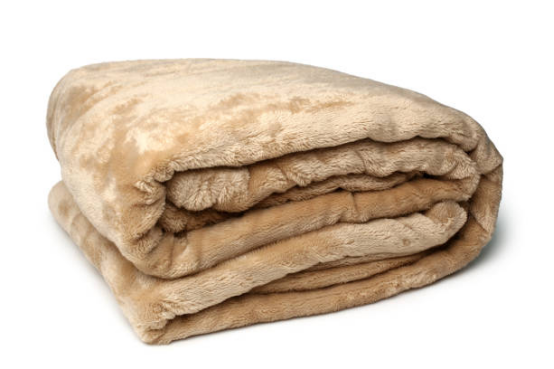
Real user experience of Wool Blanket
There are numerous online reviews of the Wool Blanket. One user shared on Reddit his experience:He used to use a cotton quilt but always woke up in the middle of the night cold every winter. After switching to a wool blanket, he finally experienced the warmth of “not wanting to turn over once covered.” Another blogger living in Canada noted that even with temperatures of -20 degrees Celsius outside and the heating on medium at home, the wool blanket still allowed for a restful night’s sleep.
Besides providing warmth, wool blankets also offer a unique texture. Many describe them as “weighty but not oppressive,” and this gentle compression can actually help you fall into a deep sleep faster. It’s a bit like a weighted blanket alternative, but without the heaviness.
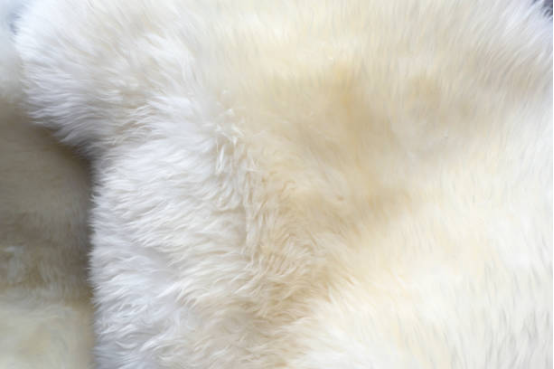
Advantages and Disadvantages of Wool Blanket
Of course, every product has its pros and cons. If you’re considering buying a wool blanket, here’s a look at its pros and cons.
Advantages
- Natural warmth: More efficient than most cotton and synthetic materials.
- Strong durability: Wool fibers are elastic and not easy to collapse or deform. A good blanket can be used for ten years without any problem.
- Fire resistance: Wool is naturally flame retardant, which is why many airlines and high-end hotels prefer to use wool fabrics.
- Environmentally friendly and renewable: Wool is a natural renewable resource and is relatively environmentally friendly.
Disadvantages
- Higher price: The price of a high-quality wool blanket is often two or three times that of an ordinary cotton blanket.
- Care trouble: Wool needs to be professionally cleaned or hand-washed, unlike cotton blankets that can be simply thrown into the washing machine.
- May cause itching for sensitive people: Some people are sensitive to wool fibers and may feel itchy when used close to the skin.
- Heavy: Although warmer than a cotton blanket, it is not as easy to carry as thinner materials.
So, if you are the type of person who washes blankets frequently or has extremely sensitive skin, wool may not be the best choice.
How to choose a suitable wool blanket?
There are many types of wool blankets on the market, from merino wool to alpaca wool, each with its own unique characteristics. When choosing, you can consider the following aspects:
- Material: Merino wool is known for its fineness and softness, suitable for those who are sensitive to tickling; alpaca wool is lighter and warmer.
- Weight: Choose according to the usage scenario. If it is used in the bedroom, you can choose a heavier one; if it is used in the living room or for travel, a thinner one is more suitable.
- Size: A blanket should be large enough to cover your bed or sofa to avoid the embarrassment of “cold wind blowing in around your feet.”
- Care: If you don’t want to spend too much effort on cleaning, you can give priority to machine-washable wool blends.
Who is more suitable for a wool blanket?
- People living in cold areas: Whether it is the winter in Northern Europe, Canada, or the Northeast, the wool blanket can bring enough sense of security.
- People who are afraid of cold: People with cold hands and feet, and those who are often woken up by the cold at night, will almost love it.
- Environmentally conscious consumers: Wool, as a natural material, is more sustainable than synthetic fibers.
- People who like to sleep with “weight”: If you feel that the weighted blanket is too heavy, a wool blanket may be just the right substitute.
- On the contrary, if you travel frequently and need to carry a lightweight blanket with you, or if you have a limited budget, cotton or flannel may be more suitable.
“Warm Investment” in Winter
A wool blanket is like a winter “investment” in warmth. While it might be pricey, the reward is long-lasting warmth and comfort. Someone once said, “Once you’ve used a wool blanket in winter, it’s hard to go back to a regular cotton blanket.” Only those who’ve used one truly understand this experience.
So here’s the question: would you buy a wool blanket this winter? Or are you already using one and have your own story to share? Feel free to share your experience in the comments section; it might help someone who’s still hesitating.