
Have you ever had that moment? One weekend, you’re curled up on the couch, holding your favorite blanket, watching a movie, and accidentally spill your coffee. At that moment, you wonder: How do I clean this blanket? Will it shrink if I throw it in the washing machine? Or is it better to have it dry-cleaned?
Many people think of blankets as something they can simply cover and forget about. However, when faced with cleaning challenges, they’re found to be far more complex than imagined. Different materials and fillings dictate completely different care techniques. Careless handling can negatively impact the feel or even render them useless. Today, we’ll discuss how to scientifically clean blankets, including specific washing methods for different materials.

Why is Blanket’s cleaning method so particular?
What’s special about Blanket is that it often carries both functional and emotional value.
- Functionality: It is related to warmth, breathability, and durability. Improper washing may cause the fibers to break and the fluffiness to disappear.
- Emotional Value: Many people are attached to their blankets—whether traveling or at home, they provide a sense of security. Once a blanket is damaged by cleaning, even with a new one, it’s hard to regain that familiar feeling.
Because of this, blankets made of different materials need to be treated differently. Below we will break down and discuss several common materials.
Cotton Blanket: Simple but not careless
Cotton blankets are the most common type, soft and breathable, and suitable for spring and summer. Their advantages are durability and skin-friendliness, but there are also some minor details to consider when washing them:
- Machine washing is fine, but pay attention to the water temperature: it is recommended to use cold water or warm water below 30℃ to avoid shrinkage.
- Choose a mild detergent: Strong alkaline laundry detergent may make the fibers hard, so it is best to use a liquid detergent.
- Be careful when drying: high-temperature drying will cause the cotton blanket to shrink or deform, so it is best to dry it naturally.
Tips: If it is a pure white cotton blanket, you can occasionally add a little baking soda to brighten the color, but if it is a printed or dyed blanket, avoid using bleach.
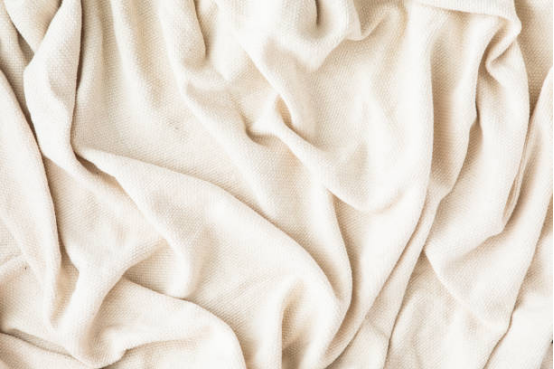
Wool Blanket: The Delicate Side of Natural Fibers
The first impression of a wool blanket is that it is “high-end.” It is indeed very warm to cover yourself with it in winter, but it is very delicate to care for.
- Avoid machine washing: The agitation of a regular washing machine can cause wool to felt, becoming hard and clumpy.
- Hand wash or dry clean: Lightly soak in neutral wool detergent, press gently with your hands, and do not wring.
- Lay flat to dry: Hanging to dry will cause stretching and deformation, so it is best to lay it flat on a towel and let it dry naturally in a cool place.
Some people find it troublesome, but you can actually prepare two blankets: one that is easy to care for on a daily basis, and then take out the woolen blanket when it gets really cold. You will use it less, and it will naturally last longer.

Fleece Blanket (flannel/coral fleece): soft but easy to collect dust
Fleece blankets are particularly popular, especially among children and students, because they are lightweight and soft. However, they tend to attract hair and dust, so they need to be cleaned more frequently.
- It can be machine washed, but it should be washed separately: avoid washing it with sweaters and towels to prevent hair from getting stuck.
- Avoid using fabric softener: fabric softener will destroy the moisture absorption of the fluff and reduce comfort.
- Tumble dry on low heat or air dry: high temperatures can cause the lint to tangle.
It is recommended to use a lint remover to clean the small lint on the surface of the blanket regularly to extend its service life.
Weighted Blanket: Special padding, requires layered care
Weighted blankets have become very popular in recent years, gradually entering many households because they help improve sleep and relieve anxiety. However, the cleaning method of this type of blanket is more particular:
- Check the filling: some are glass beads, some are metal particles. Different materials determine whether they can be machine washed.
- Removable cover: Most weighted blankets come with a removable cover. The cover can be machine washed, while the liner is recommended to be hand washed or spot cleaned.
- Share the weight: It is best to confirm the load-bearing capacity of the washing machine before washing. Blankets weighing more than 8 kg are usually not suitable for machine washing.
When using a weighted blanket, you can add an extra sheet to reduce the chance of direct staining.
Electric Blanket: Pay more attention to safety
Electric blankets are another common specialty product, and improper cleaning may even pose a safety risk.
- Unplug the power supply: Be sure to unplug the device before cleaning and check whether it supports water washing.
- Most can only be spot cleaned: wipe the surface with a damp cloth, avoiding complete soaking.
- If the instructions allow machine washing, be sure to use a laundry bag, select the delicate cycle, and make sure it is completely dry before use.
The most important thing about cleaning an electric blanket is not to make it as clean as new but to maintain safety and basic hygiene.
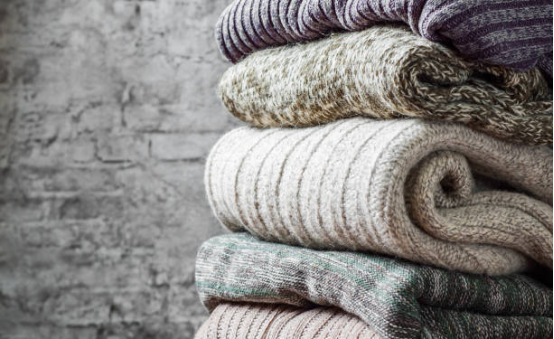
Additional Cleaning and Maintenance Tips
In addition to the blanket cleaning methods for different materials, here are some general tips:
- Cleaning frequency: It is generally recommended to clean it every 2-3 months. If it comes into direct contact with the skin frequently, clean it at least once a month.
- Daily maintenance: Add a thin sheet or cover when using a blanket to reduce the need for frequent cleaning.
- Storage tips: When not in use during the season, make sure the blanket is completely dry before placing it in a storage bag to prevent moisture and mold from growing.
- Deodorization method: Slight odors can be removed by exposure to sunlight or absorption with baking soda.
These details are small but can really extend the life of your blanket.
Blanket cleaning is the wisdom in the details of life
Cleaning the blanket is not a big deal, but it is also not a small deal. It reflects our attitude towards life:
- If you throw it into the washing machine casually, you may end up with a shrunken and deformed blanket.
- If you treat it carefully and take care of it according to the material, the blanket will not only last longer but also stay soft and clean.
So, next time when you are holding a blanket and hesitating about how to wash it, think about this: this is not just a cleaning, but an investment in the quality of life.
What about you? Do you have a blanket that’s been with you for years? How do you clean it? Feel free to share your story in the comments; it might help someone else out there.