
As we age, our body’s ability to regulate temperature gradually declines. Many elderly people feel normal during the day but experience fluctuating temperatures at night. Sometimes a blanket isn’t warm enough, waking them up from the cold; sometimes it’s too thick, causing sweating, anxiety, and disrupted sleep.
This demonstrates that for seniors, blankets are more than just a means of warmth; they are crucial to their health, comfort, and even safety. The right material can help maintain a stable body temperature, alleviate joint discomfort, and even improve sleep quality to a certain extent.
So, what type of blanket is best for seniors? This article will provide a clear guide to choosing the right blanket, considering material differences, health considerations, and lifestyle habits.
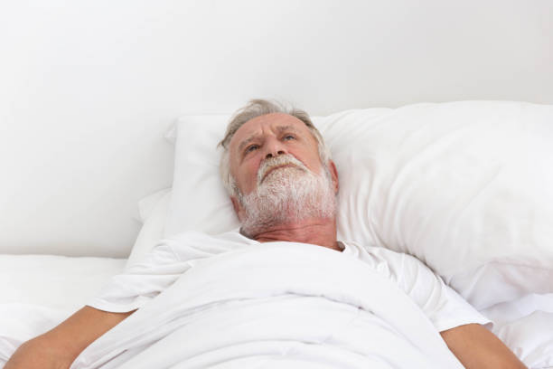
Why Blanket for the Elderly Need Special Attention
As we age, our metabolism slows and our ability to regulate body temperature declines. Many elderly people often feel cold and hot quickly. This means the material and weight of their blanket can directly affect their sleep quality.
Medical research shows that people over 60 experience significantly shorter deep sleep periods, with unstable nighttime temperatures being a major contributing factor. If the blanket is too thick, it can easily cause sweating and an increased heart rate; if it’s too thin, it can cause people to wake up in the early hours due to the cold.
In addition to temperature regulation, the skin of the elderly is more fragile, and some rough or irritating materials may cause itching or skin allergies. Therefore, a suitable blanket should not only keep you warm but also be gentle, breathable, and safe.
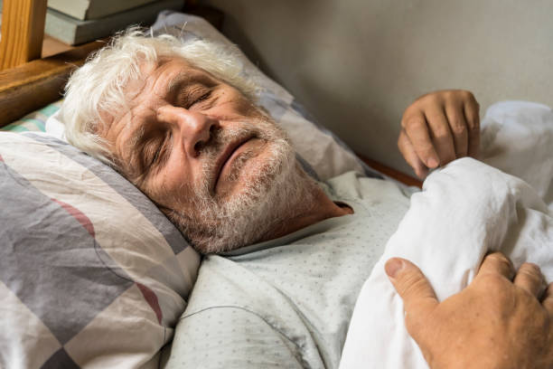
Common Blanket Material Comparison: Pros and Cons
Cotton Blanket
Cotton blankets are a classic choice, soft and breathable, and perfect for spring and summer. They’re also particularly suitable for those with sensitive skin. However, their warmth retention is limited, so using them alone in winter may not be sufficient.
Suitable for people who are afraid of heat, have sensitive skin, and are suitable for use in summer.
Wool Blanket
Wool’s greatest strength is its warmth and lightness. It maintains a stable temperature overnight while wicking away moisture. However, wool blankets can sometimes feel slightly itchy, which may not be to every senior’s liking. Furthermore, they can be difficult to clean and maintain.
Suitable for: Elderly people who are afraid of cold in winter, especially those with arthritis or poor blood circulation.
Flannel or coral fleece Blanket
This type of blanket is soft, affordable, and provides excellent warmth. Many seniors appreciate its next-to-skin warmth. However, its drawback is that it lacks breathability, making it easy to sweat in overheated rooms.
Suitable for people who are afraid of cold and like soft touch in autumn and winter.
Bamboo fiber Blanket
Bamboo fiber has become increasingly popular in recent years due to its naturally antibacterial properties and excellent breathability. It’s a comfortable option for seniors who are sensitive to heat and sweat easily. However, it’s more expensive and less durable than cotton.
Suitable for people in summer or the elderly who sweat easily and are afraid of stuffiness.
Weighted Blanket
Many young people use weighted blankets to relieve anxiety and improve sleep. For some older adults, moderate pressure can indeed increase a sense of security and help them fall asleep. However, for those with respiratory conditions or mobility issues, a weighted blanket may actually be burdensome.
Suitable for people: elderly people with light sleep and prone to anxiety, but must be used under the advice of a doctor.

Health Factors: Blanket Selection and Disease Management
Different health conditions have different needs for blankets.
- Arthritis patients need a warm but lightweight blanket to prevent joint pain from compression or cold. Wool or light down blankets are good choices.
- Diabetics are sensitive to temperature changes, and their feet tend to get cold easily. It’s recommended to choose a blanket that provides good coverage and maintains warmth and pair it with an electric heating blanket (low-temperature safety mode).
- People with sensitive skin: Avoid chemical fiber blankets and try to choose pure cotton or bamboo fiber materials to reduce irritation.
- Respiratory problems: Avoid using heavy blankets or materials that shed easily to avoid increasing the burden on breathing.
A real-life example: My friend’s father suffers from chronic bronchitis. He used to use a thick blanket in the winter, but it often caused him to cough in the middle of the night. Later, he switched to a breathable cotton and wool blanket, which provides warmth without being stuffy, and his nighttime coughing has significantly decreased.
How to choose a suitable blanket for the elderly?
- Moderate weight: The bones of the elderly are fragile, and an overly heavy blanket can easily cause a sense of oppression.
- Easy to clean: Blankets need to be cleaned regularly, so choosing machine-washable materials will save you the trouble.
- Matching for all seasons: Instead of pursuing “one blanket for all seasons,” it is better to prepare different materials according to the season.
- Color and psychological factors: Warm light-toned blankets (beige, light blue, or light green) can bring a sense of relaxation and help sleep.
- Safety: Make sure there are no loose threads or small decorations on the edge of the blanket to avoid tripping or allergy triggers.
A helpful tip: Prepare two blanket combinations for your elderly: a thin cotton blanket for spring and autumn and a wool blanket over a cotton blanket for winter. This allows for flexibility and accommodates their nighttime fluctuations.
Blanket, not just for warmth
Ultimately, a blanket is more than just a way for seniors to keep warm; it’s also a symbol of comfort and companionship. A well-fitting blanket can reduce nighttime awakenings, improve sleep quality, and even provide a sense of psychological security.
So, instead of just buying a cheap blanket, it is better to spend some time and consider the material, health needs, and lifestyle habits to choose a truly suitable one.
What blankets do your elderly family members use? What do they prioritize most, warmth or comfort? Share your observations in the comments; they might inspire other readers.