
A soft, warm blanket is the coziest companion in the bedroom. However, improper washing can easily lead to shrinkage, shedding, or pilling, significantly diminishing the comfort. How can you scientifically wash and dry your blanket in winter to maintain its softness and extend its lifespan? This article will guide you through the entire process of low-damage care, starting with differences in materials.
Table of Contents
Material Differences and Cleaning Strategies
The fiber material of a blanket directly influences the proper washing and drying methods, as different fibers react uniquely to water, heat, and friction. Understanding these characteristics is the first step toward maintaining the blanket’s softness, shape, and longevity.
Natural fibers: Wool, cashmere, and cotton blankets are prized for their warmth and soft, luxurious feel. However, they are sensitive to high temperatures, harsh detergents, and excessive friction. Exposing them to hot water or vigorous wringing can cause shrinkage, stretching, or deformation. To preserve their natural structure, it is best to handwash them in cool or lukewarm water or use a laundry machine’s delicate or wool-specific program. Avoid long soak times, and choose mild, fiber-friendly detergents to prevent damage to the delicate strands.
Synthetic fibers: Polyester, acrylic, and other man-made fibers are generally more durable, resistant to wear, and less prone to wrinkling. However, they can attract static electricity and are sometimes prone to minor pilling if washed aggressively. Using mild detergents, low-temperature washing, and gentle spin cycles can help maintain the fibers’ smooth texture. It’s also advisable to avoid high heat when drying synthetic blankets, as excessive temperatures can warp fibers or reduce elasticity.
Blended materials: Many modern blankets combine natural and synthetic fibers to balance softness, durability, and ease of care. These blended textiles require more attention during cleaning, as the natural components are more sensitive while the synthetic fibers are more resilient. For best results, use a gentle washing program at a low temperature, avoid prolonged drying, and ensure the blanket is evenly supported during drying to prevent uneven stretching or fiber distortion.
By tailoring your cleaning methods to the specific fiber composition, you can significantly extend the lifespan of your blanket, keeping it soft, fluffy, and visually appealing for years. Recognizing the differences in fiber behavior is the foundation of precise and effective blanket care.

Winter Cleaning Process
A careful and scientific cleaning routine can minimize wear and prolong the lifespan of your blanket, keeping it soft and cozy throughout the winter months.
Pretreatment: Before washing, inspect the surface for any stains or spots. Apply a mild pretreatment solution gently, avoiding vigorous scrubbing, which can damage fibers and cause pilling or color fading.
Separate washing: Different fibers respond differently to water and friction. To protect delicate fabrics, wash natural fibers like wool or cotton separately from synthetic materials such as polyester or acrylic. This reduces the risk of abrasion and preserves the texture of each type.
Choose the appropriate water temperature: most blankets benefit from low-temperature washing, around 30℃. This allows effective cleaning while minimizing fiber shrinkage and deformation. High temperatures can weaken fibers over time, especially in natural or blended fabrics.
Gentle washing program: Avoid high-speed spins or aggressive machine cycles. Use a gentle mode or hand wash whenever possible, as this significantly reduces stress on fibers, prevents lint accumulation, and limits pilling.
Use a laundry bag: For particularly delicate blankets or those with intricate textures, placing them in a laundry bag provides an extra layer of protection. It reduces friction and keeps the fabric smooth during the wash cycle.
Studies and user feedback indicate that blankets washed separately and gently retain over 30% more fiber integrity compared to those subjected to random or aggressive washing, ensuring longer-lasting softness and visual appeal.
Drying Techniques and Fiber Protection
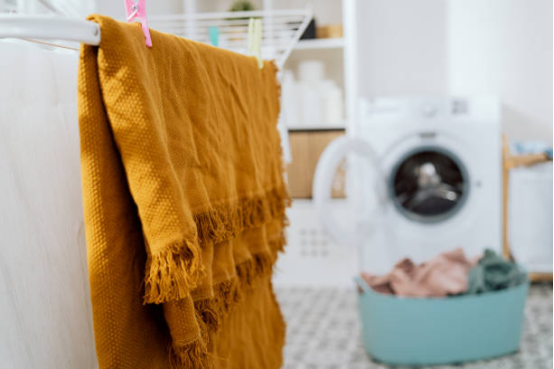
Drying is a critical step in winter care; improper handling can easily lead to fiber hardening, shrinkage, or shedding.
Low-temperature drying: Natural fibers like wool or cashmere should be air-dried or dried at low temperatures to prevent damage, while synthetic materials can tolerate medium to low heat.
Lay flat to dry: For delicate fabrics, laying them flat helps prevent stretching or deformation, preserving the original softness and shape.
Patting and finishing: Once dry, gently pat or lightly rub the fabric to restore fluffiness and minimize tangling or pilling.
Antistatic treatment: Applying a small amount of antistatic spray to synthetic materials in the final stage can reduce dust accumulation and keep the surface smooth.
Industry experience shows that following proper drying techniques preserves both softness and visual texture while effectively reducing shedding and fiber wear.
Long-term care skills
Besides washing and drying, daily usage habits also affect Blanket’s lifespan.
- Regular flipping: Flip the product periodically during use to balance friction areas and delay local fiber damage.
- Reduce friction contact: Avoid direct contact between the blanket and rough clothing or sharp accessories to reduce surface fiber wear.
- Storage Notes: When not in use during winter, keep the area dry and well-ventilated, and avoid heavy pressure and humid environments to slow down fiber aging.
- Periodic depilation: Treat minor pilling promptly to prevent fiber tangling and maintain a clean appearance.
By combining scientific cleaning and drying techniques with daily maintenance, Blanket can maintain its best feel even in the cold winter.
A warm winter starts with scientific care.
Washing and drying blankets in winter isn’t complicated. Simply understand the material’s properties, master gentle washing and drying methods, and pay attention to daily care to maintain their softness and warmth. Whether it’s a natural fiber or blended blanket, proper care can extend its lifespan, ensuring comfort and peace of mind every time you curl up in winter.
More information and maintenance tips for Blanket can be found here.