
warmth butOn a cold night, a comfortable blanket is not only a symbol of warmth, but also key to deep sleep and a comfortable experience. But have you ever wondered why some blankets, even when thick, feel stuffy, while others, light and thin, are warm and soft? The secret lies in the world of textiles. From fiber morphology and yarn structure to weaving techniques and finishing processes, every step directly affects the product’s comfort, durability, and breathability.
Fiber selection: the first step to comfort
,Fiber is the foundational material of blankets , determining their feel, warmth, and breathability. Natural fibers such as cotton, wool, and bamboo fiber have a microstructure that provides excellent moisture absorption and breathability, allowing the skin to maintain its natural temperature when in contact with the fabric. Take wool as an example: the scaly surface of wool fibers creates tiny air layers in the air, providing natural warmth while wicking away moisture and keeping the body dry during sleep.
.Synthetic fibers such as polyester or acrylic fibers, due to their dense molecular structure, are more prone to heat accumulation. However, through blending and special fiber treatments, softness and lightness can still be achieved. In textile research, the proportion and arrangement of blended fibers directly affect the thickness, elasticity, and hand feel, which are crucial aspects that must be precisely controlled in many fiber weaving processes .
In addition, the diameter, length, and curvature of fibers are also crucial to comfort. Finer fibers provide a silky feel, while fibers with higher curvature increase bulk and insulation. Scientific experiments show that arranging different fibers in a specific ratio can maximize the breathability and warmth of fabrics, providing an ideal microclimate for sleep.
Weaving techniques: Structure determines comfort
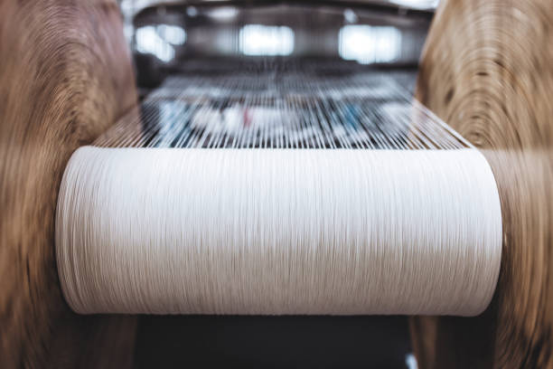
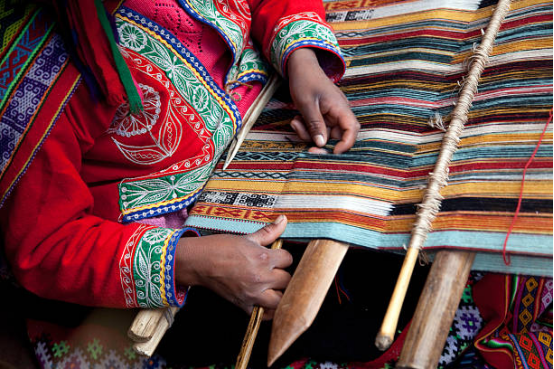
.In textile science, weaving is the core process of transforming yarn into fabric, and different weaving methods have a significant impact on the texture and performance of a blanket . Common weaving techniques include plain weave, twill weave, satin weave, and napped fabric.
Plain weave has a tight structure and a smooth surface, making it suitable for lightweight comforters, providing a smooth feel and good durability; twill weave has a more visually layered look while also increasing the fabric’s elasticity and comfort; and satin weave is known for its smooth and glossy finish, soft touch, and gentle feel on the skin without causing irritation.
The blanket weaving process slightly lifts the surface of the fibers to form a fluffy layer, creating an air gap between the fabric and the skin for excellent warmth while maintaining a soft feel. These blanket weaving techniques are especially popular in colder seasons because they enhance warmth without adding weight.
Weave density is equally crucial. High-density weaves offer durability but may reduce breathability; low-density weaves offer good breathability but may compromise warmth. Therefore, in professional textile science blanket designs, weave density is typically combined with fiber type and finishing processes to achieve overall comfort.
Post-processing: Fine-tuning for a comfortable experience
After weaving, post-processing techniques further determine the fabric’s hand feel, luster, and functionality. For example, heat setting can stabilize dimensions and prevent shrinkage or deformation during use; napping and brushing processes increase the fabric’s fluffiness, making the quilt softer to the touch; and chemical or physical finishing processes can improve antistatic properties and durability.
Wet or steam treatments enhance the bonding between fibers, making the fabric smoother and more comfortable to the touch. Studies have shown that a finely treated blanket can better regulate the microclimate, improve the overall experience of a sleep quality blanket, and create ideal conditions for deep sleep.
In the development of high-end textiles, some thermal comfort blankets utilize microporous technology or functional fibers to achieve more even temperature regulation, preventing localized overheating or undercooling. This meticulous approach transforms the blanket from merely a warming tool into a key element in optimizing sleep quality.

User experience and comfort evaluation
From a consumer’s perspective, the ultimate value of textile technology lies in the user experience. Comforters crafted through different fiber combinations and optimized processes not only offer a soft and smooth feel but also achieve a balance between breathability and warmth. For example, in damp and cold environments, fabrics with strong moisture-wicking capabilities prevent the feeling of dampness and cold during sleep; in dry environments, comforters with well-formed pile provide a fluffy and comfortable feel, avoiding discomfort from direct contact between the body and the bed.
Blankets with fine weaving and finishing processes are more likely to receive high ratings for comfort and durability. This also explains why high-end blanket weaving techniques play an irreplaceable role in improving user satisfaction.
Blanket comfort from a textile science perspective
Comfortable blankets are no accident. Their softness, breathability, warmth, and durability all stem from precise textile design. From fiber selection to yarn arrangement, from weaving techniques to finishing processes, every step involves scientific calculations and meticulous control. Understanding the principles behind textile science blankets not only helps in selecting more suitable products but also allows cross-border DTC sellers to more effectively enhance added value when developing fiber weaving processes or blanket weaving techniques.
The next time you slip into sleep wrapped in the soft, warm blanket, consider whether this comfort stems from the suppleness of the fibers, the exquisite weaving, or the clever finishing techniques—each layer carrying the secrets of science and craftsmanship. Would you like to delve deeper into the textile world of the blanket and discover more hidden secrets of comfort?